Food-grade liquid logistics is one of the most demanding segments in global bulk transportation. Products such as edible oils, fruit concentrates, dairy liquids, syrups, and beverage bases require strict hygiene control, stable packaging performance, and cost-efficient logistics systems.
As supply chains become more globalized, companies are increasingly replacing traditional rigid containers with flexible and hygienic systems such as the IBC Liner. These solutions are designed not only to protect product quality but also to optimize transport efficiency and reduce total logistics costs.
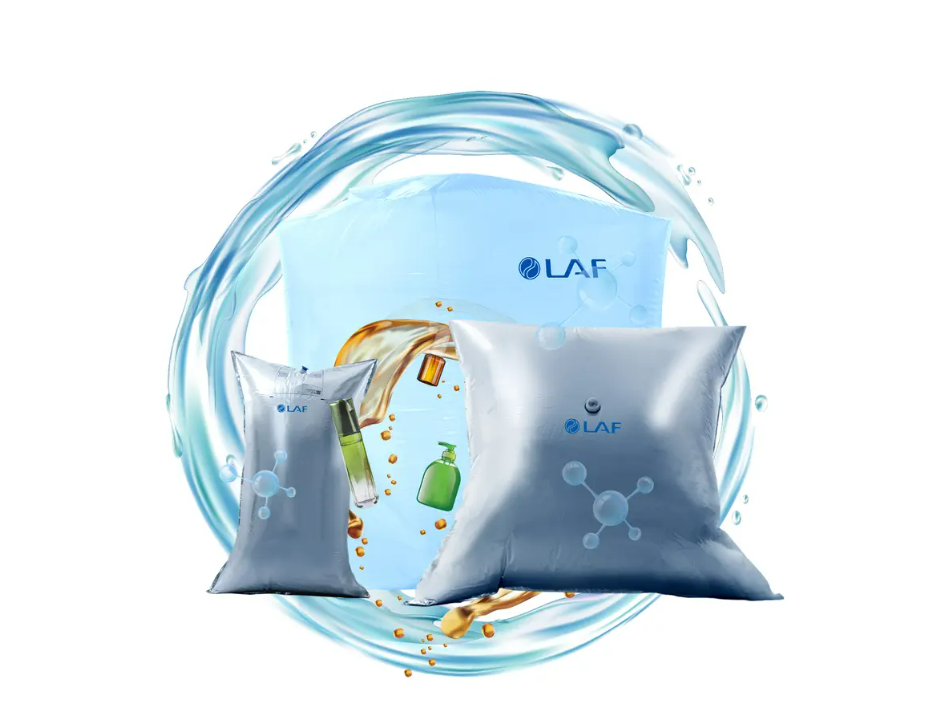
Food-Grade Liquid Transportation: Key Industry Challenges
Transporting food-grade liquids is significantly more complex than general industrial liquids. The main challenges are not only about leakage prevention but also about maintaining product integrity throughout the entire logistics chain.
Strict Hygiene and Contamination Control Requirements
Food liquids are highly sensitive to contamination. Even trace residues from previous shipments or improper cleaning of containers can lead to serious quality issues.
This makes packaging hygiene a top priority. Every contact surface must be controlled to ensure:
No chemical contamination
No microbial risk from reused containers
No cross-batch mixing
Stable food safety compliance during transport
Long-Distance and Multi-Modal Transport Complexity
Food liquids often travel across multiple transport modes including trucks, rail, and ocean freight. Each transfer stage introduces additional handling risks.
During long-distance shipping, containers may face:
These factors require packaging systems that can maintain integrity under dynamic conditions.
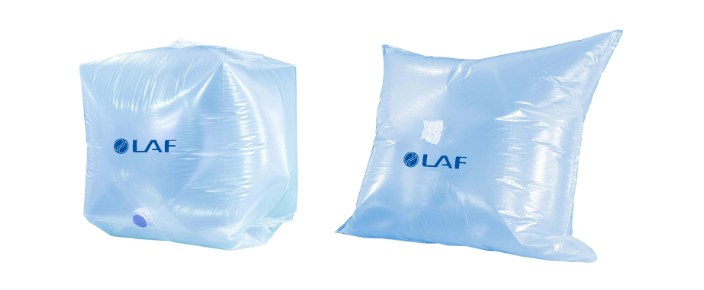
How IBC Liner Technology Supports Food-Grade Logistics
Modern IBC Liner systems are engineered specifically to address the challenges of food-grade liquid transportation. Unlike traditional packaging methods, they create a controlled internal environment inside the container.
Sealed Inner Barrier System for Product Protection
The liner acts as a fully enclosed barrier that isolates the liquid from the outer container structure. This eliminates direct contact with metal or plastic surfaces and significantly reduces contamination risks.
For food-grade applications, this separation is critical in maintaining product purity from filling to final discharge.
Multi-Layer Film Engineering for Stability
Advanced IBC Liners are produced using multi-layer co-extrusion technology. Each layer contributes a specific performance function:
Inner layer: food-contact safety and smooth discharge
Middle layers: strength reinforcement and puncture resistance
Outer layers: barrier protection against oxygen or external stress
This structure ensures consistent performance even during long transportation cycles.
Operational Advantages in Food Supply Chains
Beyond safety, IBC Liners play a major role in improving operational efficiency across the supply chain. Food manufacturers and exporters increasingly prioritize systems that reduce labor, simplify logistics, and improve container utilization.
Simplified Cleaning and Elimination of Return Cycles
Traditional bulk containers require full cleaning and sanitization after each use. This process involves water consumption, chemical detergents, labor, and inspection procedures.
With IBC Liners, the inner packaging is disposable. Once the liquid is discharged:
The liner is removed and recycled
The outer container remains clean
No washing or sterilization is required
No return shipment of empty containers
This significantly reduces operational complexity, especially in international logistics.
Improved Container Turnaround Efficiency
Because there is no cleaning or return requirement, containers can be reused immediately for the next shipment. This improves fleet utilization rates and reduces idle time in logistics operations.
For high-frequency exporters, this directly translates into better scheduling flexibility and lower equipment dependency.
Logistics Cost Optimization Through Packaging Design
One of the most overlooked aspects of bulk liquid logistics is how packaging design directly impacts total transportation cost.
Reduced Handling Complexity Across Supply Chains
IBC Liners simplify the entire loading and unloading process. With compatible filling and discharge systems, liquids can be transferred with minimal manual intervention.
This reduces:
Better Container Volume Utilization
Flexible liner systems conform to container geometry more efficiently than rigid tanks. This allows better use of available space, improving shipping density and reducing cost per liter transported.
Application Scenarios in Food-Grade Industries
IBC Liners are widely adopted across various food-related sectors due to their hygiene performance and cost efficiency.
Common Use Cases
Edible oil transportation (palm, soybean, sunflower oil)
Beverage ingredients and concentrates
Dairy-based liquid products
Sugar syrups and sweeteners
Fruit juice concentrates
Food additives and liquid flavoring agents
Each application benefits from the same core advantages: cleanliness, sealing reliability, and reduced logistics cost.
System Integration in Modern Bulk Logistics
Food-grade packaging is no longer a standalone decision. It is part of a broader logistics system involving containers, filling equipment, transport networks, and supply chain optimization strategies.
With extensive expertise in bulk fluid logistics solutions, LAF develops integrated systems that combine flexitanks, paper-based bulk packaging, and advanced IBC Liner technologies.
These solutions are designed to improve overall logistics efficiency by:
Reducing packaging-related handling steps
Enhancing compatibility across transport modes
Lowering total cost of ownership in bulk liquid shipping
Supporting safer and more sustainable logistics operations
Conclusion
IBC Liner solutions have become a key enabler in modern food-grade liquid transportation. By combining advanced multi-layer protection, hygienic design, and simplified logistics workflows, they address the core challenges of contamination risk, operational inefficiency, and high logistics costs.
As global food supply chains continue to expand, companies are increasingly adopting IBC Liners not only as a packaging choice but as a strategic logistics optimization tool that improves both product safety and supply chain performance.