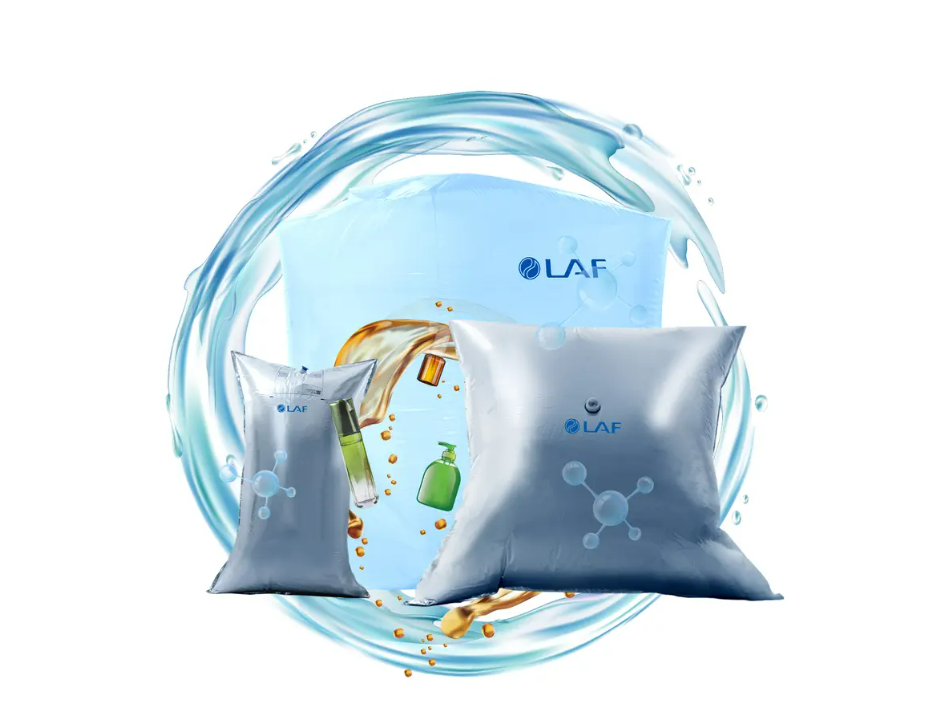
Sustainability has become an important topic in global liquid logistics. For companies shipping food-grade liquids, industrial oils, and non-hazardous chemicals, the packaging decision now affects more than transportation cost. It also influences packaging waste, container utilization,
Bulk liquid shipping can be expensive when the wrong packaging method is used. Freight charges, packaging materials, labor, storage, cleaning, return logistics, product loss, and handling time all affect the final cost of moving liquid cargo from one place to another.
Bulk liquid transportation plays a critical role in global trade. From edible oils, fruit juice concentrates, syrup, wine, and tomato paste to industrial oils, lubricants, glycerin, latex, surfactants, and other non-hazardous chemicals, many liquid products must be moved safely,
In global bulk liquid transportation, packaging is no longer just a container—it directly affects warehousing efficiency, handling labor, transport utilization, and reverse logistics costs. As supply chains become more cost-sensitive and sustainability-driven,
In global bulk liquid transportation, packaging performance directly affects safety, cost efficiency, and supply chain reliability. As industries continue to scale and shipping volumes increase, businesses are shifting toward more flexible and protective packaging systems.
Food-grade liquid logistics is one of the most demanding segments in global bulk transportation. Products such as edible oils, fruit concentrates, dairy liquids, syrups, and beverage bases require strict hygiene control, stable packaging performance, and cost-efficient logistics systems.
Flexitanks have become one of the key technologies supporting wine transition. Installed inside standard shipping containers, food-grade flexitanks transform a container into a high-capacity bulk liquid transport unit. They allow wineries and wine exporters to ship large volumes of wine efficiently while minimizing packaging waste and maximizing container utilization.
Sensitive food ingredients require strict hygiene standards throughout the supply chain. Paper IBCs are designed with food-grade inner liners that help maintain product purity and prevent contamination during transport. Produced in controlled manufacturing environments, these liners provide reliable protection for liquid and semi-liquid food products.
In bulk liquid logistics, packaging is never just a container. It affects how much product can be loaded, how fast filling and discharge can happen, how much labor is needed, how much space is occupied in storage, and how much waste remains after delivery.