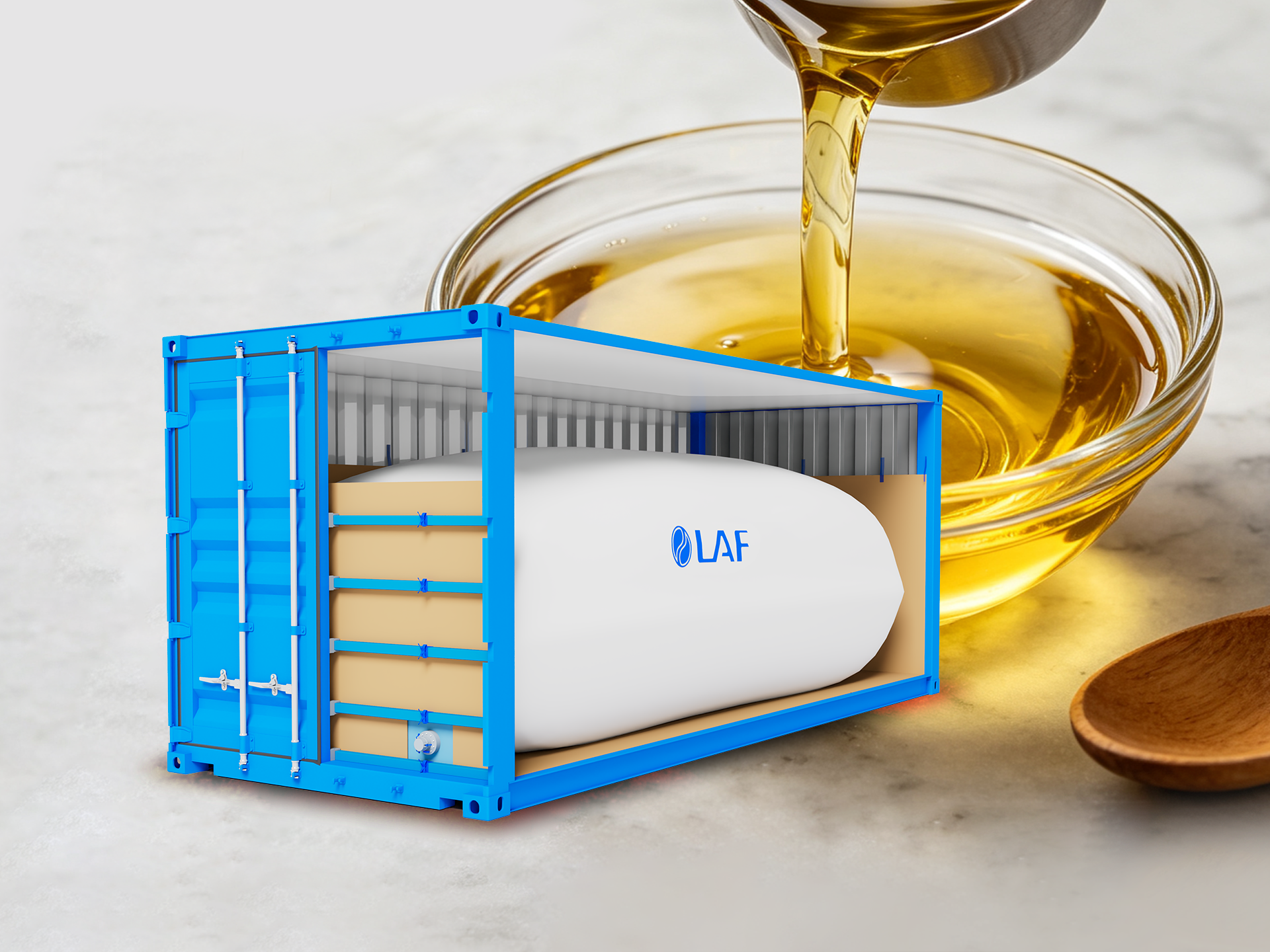
LAF Technology launched the world's first ESG-driven flexitank industrial park in Qingdao, China. Covering 51,000 m², the smart, sustainable facility features end-to-end vertical integration, solar-powered production, and people-centered design. With intelligent automation, renewable energy systems, and on-site wellness services for employees and partners, LAF sets a new benchmark for sustainable logistics and flexitank manufacturing.
On August 15, 2024, Qingdao LAF Technology Co., Ltd. (LAF) and Qingdao University of Science and Technology (QUST) signed a five-year industry-university research collaboration agreement. The signing ceremony was attended by Jianming Zhang, Dean of the Polymer Science College at QUST, and Fisher Ma,
LAF Flexitank New Achievement!LAF has passed the AAR (Association of American Railroads) test and is now listed on the conditional approval table available at:https://www.aar.com/standards/IntermodalLoadingPublications.php
After answering the Top 10 most frequently asked questions about flexitanks, we've put together another collection of practical questions that users often encounter during product selection, loading, transportation, and unloading. If you're looking for more insights into flexitank applications, this FAQ may have the answers you're looking for.
Sustainability has become an important topic in global liquid logistics. For companies shipping food-grade liquids, industrial oils, and non-hazardous chemicals, the packaging decision now affects more than transportation cost. It also influences packaging waste, container utilization,
LAF Dry Bulk Liners create a clean, enclosed barrier inside standard ISO containers, helping protect dry bulk products from condensation, dust, and external contaminants throughout transportation. Designed for 20ft and 40ft containers, our liners are customized according to cargo characteristics and loading or discharge methods. They are suitable for a wide range of free-flowing powders, granules, and agricultural commodities.
Bulk liquid shipping can be expensive when the wrong packaging method is used. Freight charges, packaging materials, labor, storage, cleaning, return logistics, product loss, and handling time all affect the final cost of moving liquid cargo from one place to another.
Bulk liquid transportation plays a critical role in global trade. From edible oils, fruit juice concentrates, syrup, wine, and tomato paste to industrial oils, lubricants, glycerin, latex, surfactants, and other non-hazardous chemicals, many liquid products must be moved safely,
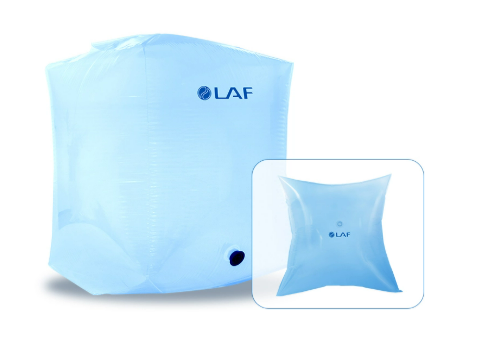
Paper IBCs have emerged as an innovative alternative for transporting food ingredients, edible oils, chemicals, and other non-hazardous liquids. Constructed from corrugated paper structures combined with high-performance liners, Paper IBCs significantly reduce the use of rigid plastic and metal components. Their lightweight and collapsible design improves container utilization and reduces storage requirements throughout the supply chain.