Food manufacturers and beverage companies require packaging solutions that can protect product quality while meeting strict hygiene standards throughout transportation. A food grade IBC liner provides a clean barrier between liquid products and external containers, helping reduce contamination risks and improve bulk handling efficiency. LAF provides professional food grade IBC liner solutions designed for edible oils, beverage ingredients, syrups, and other liquid food applications. LAF’s IBC liner product range includes food and beverage applications developed for different liquid transportation requirements.
What Is a Food Grade IBC Liner?
A food grade IBC liner is a flexible packaging system installed inside an intermediate bulk container to transport liquid food products safely and efficiently.
Unlike traditional transportation methods where liquid products directly contact the container, an IBC liner creates a protective layer between the product and the external packaging structure. This design helps companies maintain cleaner handling conditions while reducing the need for repeated container cleaning.
For food manufacturers, packaging is not only a transportation tool but also an important part of product quality management. Liquid ingredients, edible oils, beverage concentrates, and other sensitive products often require packaging systems that can maintain hygiene during storage and international transportation.
A suitable food contact IBC liner must combine material safety, structural reliability, and compatibility with food production requirements. The liner material should be suitable for direct food contact, while the overall design needs to support efficient filling, transportation, and discharge.
The Role of an IBC Liner in Food Liquid Transportation
The main purpose of an IBC liner is to protect liquid products throughout the supply chain.
During international transportation, food products may experience long storage periods, temperature changes, and multiple handling stages. Without suitable protection, external contamination or improper packaging conditions may affect product quality.
An effective food packaging liner helps maintain product consistency by reducing direct contact between the liquid and the reusable container. This is particularly important for products such as edible oils, juice concentrates, and liquid ingredients, where maintaining purity and quality is essential.
For food companies, using an IBC liner also improves operational efficiency. Instead of spending significant resources cleaning and preparing containers after every shipment, companies can use a liner system that simplifies logistics management.
Why Food Companies Use IBC Liners
Many food companies choose IBC liners because they provide a cleaner and more efficient alternative to direct container filling.
When liquid products are filled directly into reusable containers, the container surface must be thoroughly cleaned before reuse. This process requires additional labor, water consumption, inspection procedures, and maintenance management.
With an IBC tote liner, the liquid product only contacts the liner material rather than the container itself. This reduces cleaning requirements and helps companies maintain more consistent hygiene control.
For food suppliers handling large-volume shipments, liners also improve flexibility. Companies can transport products in bulk while maintaining better control over product protection and handling efficiency.
Key Requirements for Food Contact IBC Liners
A food contact IBC liner needs to satisfy higher standards than ordinary industrial packaging because it directly interacts with products intended for consumption.
The selection process should consider regulatory compliance, manufacturing quality, material performance, and transportation conditions.
Food Contact Material Compliance
One of the most important factors when selecting a food grade IBC liner is whether the material meets food-contact requirements.
Food companies usually require packaging materials that comply with recognized regulations, including FDA-related requirements and European food contact standards. These regulations are designed to ensure that packaging materials do not negatively affect food safety or product quality.
For international suppliers, compliance documentation is also an important part of the purchasing process. Buyers often need material certificates, testing records, and technical documents before approving a packaging supplier.
A professional supplier should be able to provide clear documentation showing that the liner materials are suitable for food-related applications.
Clean Manufacturing Environment
Food packaging quality depends not only on the material itself but also on the manufacturing environment.
A food grade IBC liner should be produced through controlled manufacturing processes that reduce contamination risks during production. Consistent production conditions help ensure that every liner performs according to the required standards.
For food manufacturers, this consistency is especially important because packaging problems can affect entire shipments and create significant commercial losses.
A reliable supplier should have strict quality control procedures covering raw materials, production processes, and final product inspection.
Barrier Performance for Sensitive Food Products
Different food products have different protection requirements.
Some liquid products are sensitive to oxygen exposure, moisture changes, or external environmental conditions. In these cases, selecting the correct barrier structure becomes essential.
For example, certain liquid ingredients may require enhanced protection during long-distance transportation to maintain product stability.
Materials such as PE, EVOH barrier layers, and aluminum barrier structures can provide different levels of protection depending on the product characteristics and storage conditions.
The right material structure allows companies to balance product protection, transportation efficiency, and cost requirements.
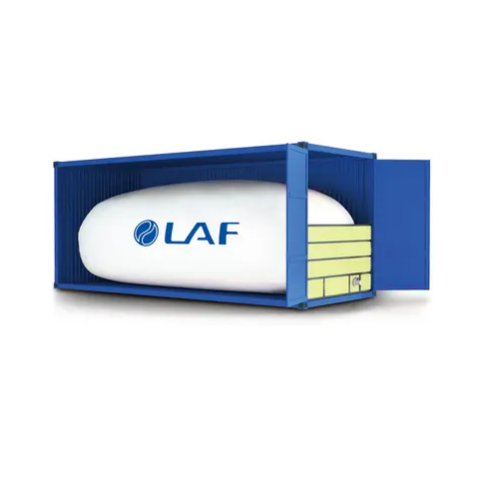
What Food Products Can Use IBC Liners?
Food grade IBC liners are widely used across different liquid food industries because they provide efficient bulk transportation while maintaining hygiene requirements.
Application | Examples |
Edible oils | Palm oil, coconut oil, vegetable oils |
Beverages | Juice concentrate, beverage ingredients |
Sweeteners | Syrup, liquid sugar products |
Food ingredients | Liquid additives, processing ingredients |
For companies transporting edible oils and similar liquid products, integrated packaging solutions such as Paper IBC for edible oils can provide an efficient combination of container structure and liquid protection. LAF’s Paper IBC solutions are designed for bulk liquid transportation applications including edible oils.
How to Choose the Right Food Grade IBC Liner?
Choosing the correct liner requires understanding the relationship between the product, packaging material, and transportation environment.
A suitable liner should not only protect the liquid product but also match the company’s filling process, storage conditions, and discharge requirements.
Consider Product Compatibility
Different liquids interact differently with packaging materials.
Before selecting an IBC liner, companies should evaluate product characteristics such as chemical composition, viscosity, storage duration, and transportation conditions.
Edible oils, syrups, juice concentrates, and liquid additives may have different requirements because their physical properties vary.
Working with an experienced supplier allows companies to select a liner structure that matches their specific application.
Select Appropriate Barrier Structure
Material selection directly affects liner performance.
PE structures are commonly used because they provide flexibility and reliable protection for many liquid applications.
For products requiring stronger protection against oxygen transmission, EVOH barrier layers may provide additional performance.
When products need higher protection against external environmental influences, aluminum barrier structures can also be considered.
The correct choice depends on product sensitivity, transportation distance, and storage requirements.
Match Container and Discharge Requirements
A food grade IBC liner must also match the container system and operating process.
Valve position, filling method, discharge equipment, and storage conditions all influence liner design.
For example, a liner used with a paper IBC system may require different structural considerations compared with a liner used in a reusable plastic IBC.
A professional supplier should understand the complete logistics process instead of only providing the liner itself.
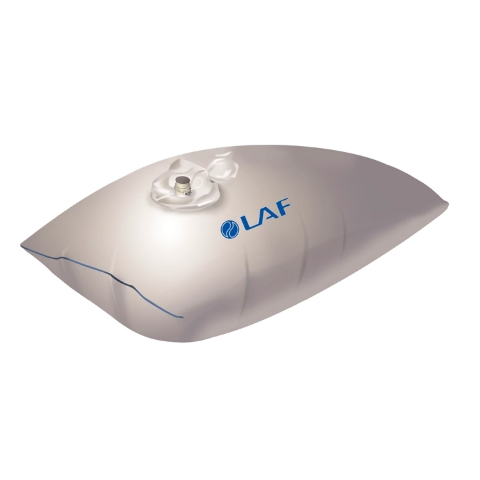
Food Grade IBC Liner vs Traditional Food Packaging
Different packaging methods provide different advantages depending on shipment requirements.
Packaging Method | Advantages | Limitations |
Food grade IBC liner | Cleaner handling, improved hygiene control, flexible bulk transportation | Requires compatible container system |
Drums | Simple operation and wide availability | More packaging waste and handling work |
Rigid IBC | Durable reusable structure | Higher cleaning and maintenance requirements |
For companies transporting large quantities of liquid food products, IBC liners often provide a practical balance between hygiene, efficiency, and logistics flexibility.
Why Choose a Professional Food Grade IBC Liner Supplier?
Choosing a supplier is an important decision because packaging quality directly influences product safety and supply chain reliability.
Manufacturing Capability
A professional supplier should have strong manufacturing capability and consistent quality control.
Food companies need confidence that each liner delivered meets the same performance requirements. Material consistency, production control, and inspection procedures all influence final product reliability.
A supplier with experience in food packaging applications can better understand the challenges faced by food manufacturers and provide suitable solutions.
Documentation and Compliance Support
Food industry customers often require detailed technical documentation before selecting a supplier.
Compliance records, material information, and testing reports help buyers evaluate whether a liner meets internal quality requirements and regulatory expectations.
Strong documentation support also helps companies complete supplier approval processes more efficiently.
With extensive experience in bulk liquid packaging, LAF provides professional packaging solutions for global food, beverage, and industrial customers.
Conclusion
A suitable food grade IBC liner must provide more than basic liquid containment. It needs to support food safety, hygiene management, product protection, and efficient transportation.
For food manufacturers, beverage companies, and ingredient suppliers, selecting the right liner requires careful consideration of material compliance, barrier performance, container compatibility, and supplier capability.
LAF provides food grade bulk packaging solutions designed to help global customers transport liquid products safely and efficiently while improving supply chain performance.
FAQ
1. What is a food grade IBC liner?
A food grade IBC liner is a flexible liner installed inside an IBC container to safely transport liquid food products while reducing contamination risks.
2. Are food grade IBC liners suitable for edible oils?
Yes. Food grade IBC liners are commonly used for edible oils, including vegetable oils and other liquid food products that require hygienic transportation.
3. What standards should a food contact IBC liner meet?
A suitable liner should use food-contact materials and meet applicable regulatory requirements such as FDA and EU food contact standards.
4. How do I choose the right food grade IBC liner supplier?
Companies should evaluate material quality, compliance documentation, manufacturing capability, customization ability, and experience with food-related applications.