Introduction
Sustainability has become an important topic in global liquid logistics. For companies shipping food-grade liquids, industrial oils, and non-hazardous chemicals, the packaging decision now affects more than transportation cost. It also influences packaging waste, container utilization, storage space, cleaning requirements, energy use, and the overall efficiency of the supply chain.
Traditional liquid packaging methods such as drums, rigid IBCs, and tank-based transport still play an important role in many industries. However, they may not always be the most efficient option for long-distance, one-way, or containerized liquid shipments. In many cases, they can increase packaging weight, reduce payload, require more handling, occupy more warehouse space, or create return and cleaning costs after discharge.
This is why flexible and containerized bulk packaging solutions are gaining more attention. Flexitanks, collapsible paper IBCs, and IBC liners can help companies move compatible liquid products more efficiently while reducing unnecessary packaging movement and improving logistics performance.
It is important to understand that sustainable packaging does not always mean reusable packaging. In global logistics, a well-designed one-way packaging solution may support sustainability by reducing return transport, improving payload, saving storage space, and reducing cleaning-related resource consumption. The key is to choose the right packaging system for the cargo, route, volume, and destination conditions.
This article explains how sustainable bulk packaging solutions support global liquid logistics and how flexitanks, paper IBCs, and IBC liners can help companies build more efficient and responsible supply chains.

What Does Sustainable Bulk Packaging Mean?
Sustainable bulk packaging is not limited to one single feature. It is a complete packaging approach that considers material use, transportation efficiency, product protection, waste handling, and total logistics impact.
In liquid logistics, sustainable packaging should help achieve several goals:
Reduce unnecessary packaging materials
Improve payload and container utilization
Minimize empty packaging storage
Reduce return logistics where appropriate
Lower cleaning and washing requirements
Protect cargo from leakage and contamination
Support recyclable material design where possible
Reduce product loss during storage and transportation
Improve operational efficiency across the supply chain
For bulk liquid transport, packaging sustainability is closely connected with logistics efficiency. A solution that allows more liquid to be shipped in one container can reduce freight intensity per liter. A collapsible packaging system can save warehouse space. A liner system can reduce the need for washing outer containers. A one-way packaging solution can eliminate empty return trips when return logistics are not practical.
Therefore, sustainable bulk packaging should be evaluated through the entire logistics cycle, not only by whether a package can be reused.
Why Liquid Logistics Needs More Sustainable Packaging
Global liquid logistics faces several practical challenges. Many liquid products are shipped over long distances, across multiple transport modes, and through complex distribution networks. Packaging must protect the product while also supporting cost efficiency and operational reliability.
Common challenges include:
1. Low Payload Efficiency
When liquid cargo is shipped in drums or rigid containers, part of the container space is occupied by packaging structure, pallets, and gaps between units. This can reduce the amount of liquid shipped per container.
Lower payload means more shipments are needed to move the same volume of product, which increases freight cost and logistics impact.
2. Heavy Packaging Materials
Traditional liquid packaging can involve metal drums, plastic drums, wooden pallets, steel frames, or rigid containers. These materials add weight and may increase transport energy consumption.
For many non-hazardous liquid products, lightweight bulk packaging may help reduce the amount of packaging material used per liter transported.
3. Return and Cleaning Requirements
Reusable systems can be effective in closed-loop logistics, but they are not always efficient in international one-way shipments. Returning empty containers, drums, or tanks can create extra transport, storage, handling, and cleaning requirements.
Cleaning may also consume water, chemicals, labor, and time. If cleaning is not properly managed, it may increase contamination risk for the next shipment.
4. Packaging Waste Management
Single-use packaging must be managed responsibly after discharge. This makes material design, local recycling options, and disposal planning important parts of packaging selection.
A sustainable approach should consider how packaging will be handled at the destination, not only how it performs during transport.
5. Product Loss and Leakage Risk
Product loss is also a sustainability issue. If packaging failure causes leakage, contamination, or cargo rejection, the environmental and economic loss can be much greater than the packaging itself.
Reliable sealing, correct installation, compatible materials, and proper handling are essential for both sustainability and safety.
Flexitanks: Efficient One-Trip Packaging for Bulk Liquid Transport
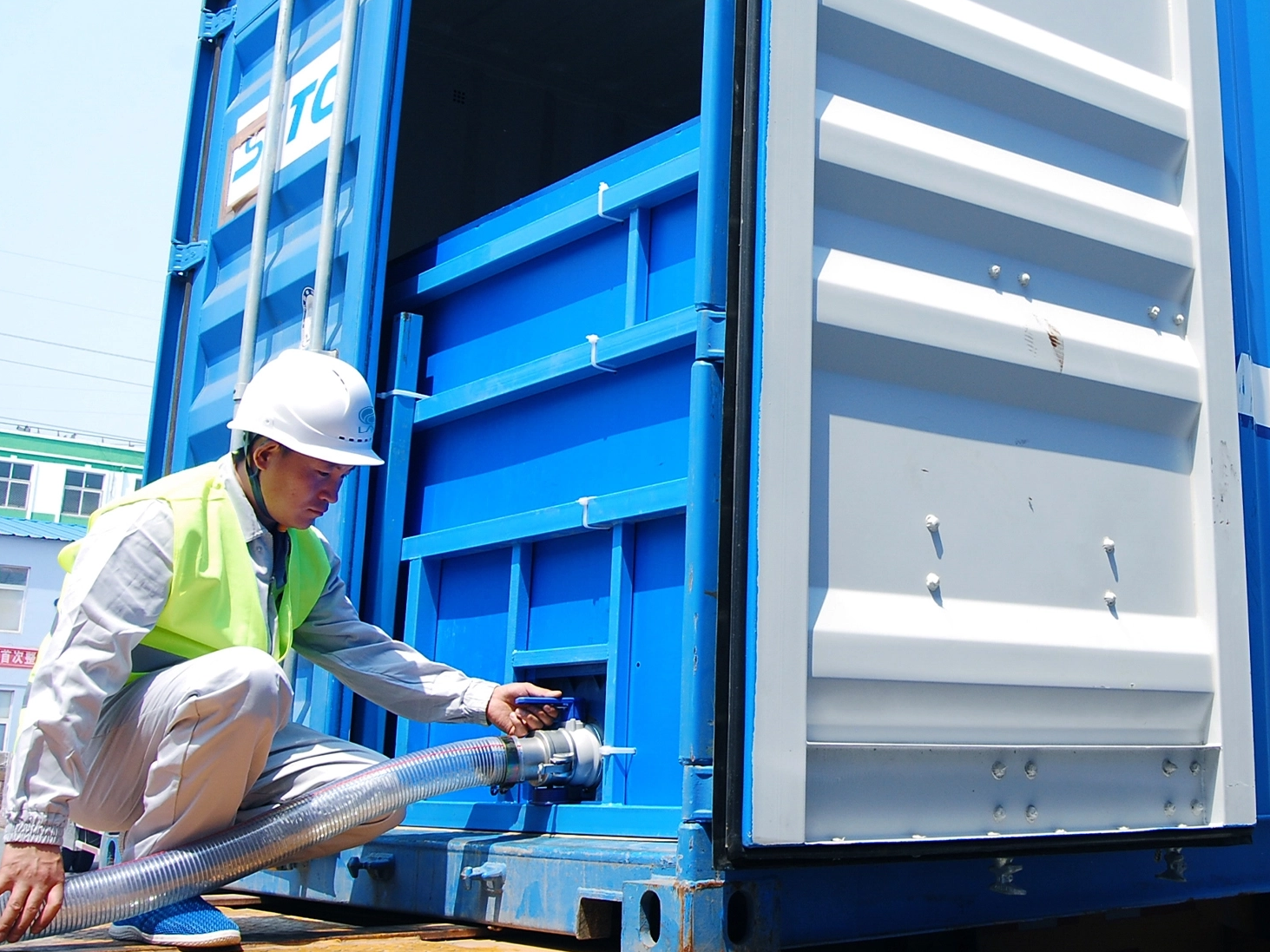
A flexitank is a flexible liquid packaging system installed inside a standard 20-foot container. It converts a dry container into a bulk liquid transport unit for compatible non-hazardous liquids.
Flexitanks are commonly used for food-grade liquids, industrial oils, and non-hazardous chemical liquids. Typical applications include edible oils, wine, fruit juice concentrates, syrup, palm oil, coconut oil, olive oil, glycerin, lubricants, base oils, transformer oils, latex, polyols, and other compatible liquid products.
From a sustainability perspective, the main value of flexitanks comes from logistics efficiency.
Higher Container Utilization
Flexitanks allow liquid cargo to be transported in bulk inside a standard container. Compared with many small packaging units, this can improve container space utilization and reduce the number of packaging components needed.
When more liquid is shipped in one container, the freight impact per liter can be reduced. This is especially important for long-distance ocean freight and international liquid trade.
Reduced Need for Small Packaging Units
Drums and smaller containers require more individual packaging units, more sealing points, more labels, more pallets, and more handling steps. A flexitank reduces the need for these small packaging components by transporting liquid as one bulk unit.
This can help reduce material complexity and simplify operations.
No Return Trip for the Packaging
Flexitanks are designed as one-trip packaging solutions. After the liquid is discharged, the used flexitank does not need to be returned to the shipper or cleaned for reuse.
For international one-way shipments, this can reduce empty packaging movement and avoid return transport. It can also eliminate cleaning requirements associated with reusable liquid transport systems.
This does not mean the flexitank is reusable. Its sustainability value comes from efficient one-way logistics, improved payload, and reduced return and cleaning burden.
Reduced Cross-Contamination Risk
Reusable tanks or containers may require cleaning between shipments. If cleaning is insufficient, residue from previous cargo can create cross-contamination risk.
For food-grade liquids and sensitive industrial liquids, contamination can cause product loss, claims, and waste. A one-trip flexitank can help reduce this risk because the liquid is transported in a new inner packaging system for that shipment.
Suitable for Many Non-Hazardous Liquid Products
Flexitanks are most appropriate when the liquid is compatible with the packaging material, classified as non-hazardous, and shipped in large enough volume to justify full-container bulk transport.
They are not suitable for every liquid. Cargo compatibility, filling temperature, viscosity, transport route, and discharge method should always be reviewed before shipment.
Paper IBCs: Space-Saving Packaging for Medium-Volume Liquid Logistics
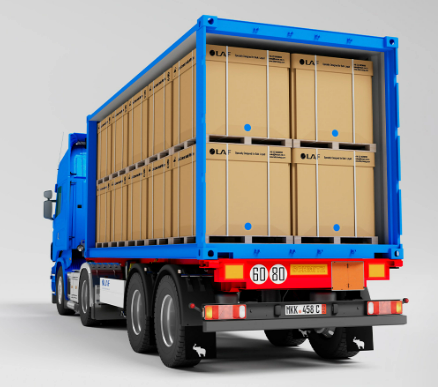
A paper IBC, also known as a collapsible paper IBC, is designed for medium-volume bulk liquid storage and transport. It is often used as an alternative to drums, rigid IBCs, and bottle-in-cage IBCs.
Paper IBCs are especially useful when a company does not need a full-container flexitank shipment but still wants a more efficient option than many small drums.
Collapsible Design for Storage Efficiency
One of the main sustainability advantages of paper IBCs is storage efficiency. Empty rigid IBCs and drums occupy fixed space even when they are not filled. This increases warehouse pressure and may require more storage infrastructure.
Collapsible paper IBCs can reduce empty packaging storage space before use. This makes packaging inventory easier to manage and helps reduce warehouse congestion.
Fewer Packaging Units Than Drums
Medium-volume liquid shipments packed in drums may require many individual containers. This increases handling, pallet use, labeling, inspection, and warehouse movement.
A paper IBC can carry a larger volume in one unit, reducing the number of packaging units required for the same shipment. This can improve loading efficiency and reduce operational complexity.
One-Way Packaging Without Return or Cleaning Cost
Paper IBCs are one-way packaging solutions. After the liquid is discharged, the packaging does not need to be returned or cleaned for reuse.
For international and long-distance logistics, this can help reduce return transport and cleaning operations. The sustainability value comes from avoiding unnecessary reverse logistics and reducing the resources required for washing and repositioning packaging.
Recyclable Material Design
Paper IBCs are commonly designed with paper-based outer structures and inner liner systems. When properly managed after use, recyclable material design can support more responsible waste handling.
However, recycling depends on local infrastructure, material separation, and destination regulations. Companies should plan packaging disposal or recycling procedures before shipment.
Suitable Applications
Paper IBCs can be used for medium-volume liquid products such as:
For companies that need flexible, space-saving, one-way packaging, paper IBCs can provide a practical balance between logistics efficiency and sustainable packaging design.
IBC Liners: Reducing Cleaning and Improving Container Efficiency
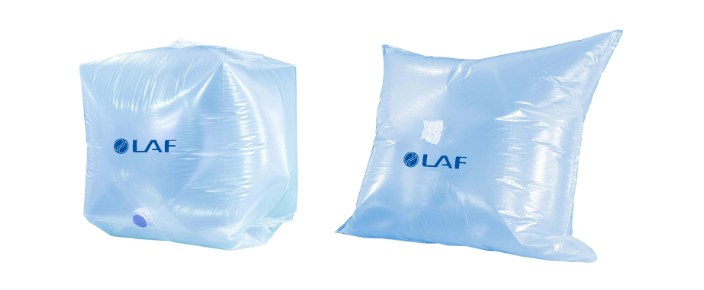
An IBC liner is a flexible inner liner used inside compatible outer containers. It can be used with paper IBCs, returnable IBCs, bottle-in-cage IBC totes, turnover boxes, or drums.
IBC liners are important in sustainable liquid logistics because they can help reduce direct contact between the liquid and the outer container.
Less Direct Container Contamination
When liquid cargo directly touches the outer container, cleaning may be required after discharge. This can consume water, chemicals, energy, and labor.
An IBC liner provides an inner packaging layer. This helps protect the outer container and may reduce cleaning requirements, especially in operations using returnable or multi-purpose containers.
Improved Hygiene for Food-Grade Liquids
For food-grade products, hygiene is a major concern. A suitable liner helps create a cleaner contact surface for the liquid and can support better contamination control.
This is especially useful when outer containers are used repeatedly or across different logistics operations.
Strong Sealing and Anti-Leakage Performance
Leakage creates both financial and environmental problems. It may cause product loss, cleanup work, transport delays, and cargo claims.
A properly selected IBC liner can improve sealing performance and help reduce leakage risk. Better containment supports more efficient and responsible liquid logistics.
Flexible Compatibility
IBC liners can fit different outer containers, making them useful for companies with existing packaging systems. Instead of replacing the entire outer container, businesses can improve liquid packaging performance by using a suitable liner.
This helps extend the usefulness of current packaging infrastructure while improving hygiene and handling efficiency.
Sustainable Packaging Is Also About Product Protection
Sustainability is often discussed in terms of material reduction or recycling, but product protection is equally important.
If liquid cargo is damaged, contaminated, or leaked during transport, the loss includes more than the packaging. It includes the raw materials, processing energy, transportation effort, labor, and commercial value already invested in the product.
For this reason, a sustainable bulk packaging solution must first be reliable.
Important protection factors include:
Material compatibility with the liquid
Sealing strength
Anti-leakage performance
Resistance to transport vibration
Suitable valve and discharge design
Correct installation and handling
Compliance with food-grade or non-food requirements
Proper storage before use
A packaging system that fails during transport cannot be considered sustainable, even if it uses less material. The most responsible solution is the one that protects the cargo while reducing unnecessary logistics waste.
Comparing Sustainable Bulk Liquid Packaging Options
Different packaging solutions support sustainability in different ways.
| Packaging Solution | Best Used For | Sustainability Contribution |
| Flexitank | Large-volume non-hazardous liquid shipments | Improves container utilization, reduces small packaging units, avoids return and cleaning operations |
| Paper IBC | Medium-volume liquid transport and storage | Saves storage space, reduces drum handling, uses recyclable material design, avoids return logistics |
| IBC Liner | Liquid packaging inside compatible outer containers | Reduces direct container contamination, lowers cleaning needs, improves sealing and hygiene |
| Drums | Small-volume or segmented shipments | Useful for smaller distribution, but may create higher packaging and handling demand in bulk shipments |
| Rigid IBC | Regional or closed-loop liquid logistics | Can be practical when return, cleaning, and reuse systems are well managed |
| ISO Tank | Tank-level liquid transport requirements | Suitable for certain routes and cargoes, but may involve cleaning, repositioning, and availability challenges |
There is no single packaging solution that is best for every shipment. The right choice depends on volume, cargo type, route, destination facilities, cleaning requirements, and waste management conditions.
How to Choose a Sustainable Bulk Packaging Solution
1. Start with Cargo Compatibility
The first step is to confirm whether the liquid is suitable for the packaging system.
Important questions include:
Is the liquid food-grade or non-food?
Is it non-hazardous?
What is the viscosity?
What is the filling temperature?
Does the liquid require oxygen, odor, or moisture protection?
Is the liquid compatible with the packaging material?
Does the destination have proper discharge equipment?
Packaging should never be selected only for sustainability claims. It must first be safe and compatible with the cargo.
2. Match Packaging to Shipment Volume
Large-volume shipments may benefit from flexitanks because they improve container utilization. Medium-volume shipments may be better suited to paper IBCs. Existing container systems may benefit from IBC liners.
Selecting the wrong format can create unnecessary packaging use, handling work, or freight cost.
3. Evaluate the Full Logistics Cycle
A sustainable packaging decision should include:
A packaging solution with a higher unit cost may still reduce total environmental and economic impact if it improves the full logistics cycle.
4. Consider Local Recycling and Disposal Conditions
Recyclable packaging only creates value if it is handled properly after use. Before selecting a packaging solution, companies should consider destination recycling infrastructure and local waste management requirements.
For one-way packaging such as flexitanks and paper IBCs, responsible post-use handling is an important part of sustainability planning.
5. Work with an Experienced Packaging Supplier
Bulk liquid packaging requires technical knowledge. A supplier should help evaluate cargo compatibility, packaging structure, loading method, discharge method, route requirements, and operational risks.
A professional packaging solution should not only sell a package but also support safe and efficient transport from origin to destination.
Sustainable Packaging for Food-Grade Liquid Logistics
Food-grade liquids require strict hygiene and contamination control. Common products include edible oil, wine, syrup, fruit juice concentrate, coconut oil, palm oil, tomato paste, and liquid sugar.
For these cargoes, sustainable packaging should protect product safety while improving logistics efficiency.
Flexitanks can be suitable for large-volume food-grade liquid shipments when the cargo is compatible and proper food-grade packaging is selected. Paper IBCs can support medium-volume food liquid transport. IBC liners can provide an inner contact layer for compatible containers.
The main sustainability benefits include:
Reduced packaging units compared with drums
Better container utilization
Lower handling complexity
Reduced need for cleaning returnable containers
Lower risk of contamination-related product waste
For food-grade logistics, sustainability and safety must work together. Packaging should never reduce environmental impact at the expense of product hygiene.
Sustainable Packaging for Industrial Oils
Industrial oils such as lubricants, base oils, transformer oils, white oils, biodiesel, and glycerin are often shipped in bulk. These products require packaging that supports product purity and efficient discharge.
Flexitanks can help reduce the use of multiple drums or rigid IBCs for large-volume oil shipments. Paper IBCs can be suitable for medium-volume storage and transport. IBC liners can help improve cleanliness and reduce direct contact with outer containers.
The main sustainability benefits include:
Improved payload efficiency
Lower packaging weight per liter
Reduced return and cleaning requirements
Less product residue and loss
Simplified warehouse handling
For industrial oil logistics, packaging selection should consider viscosity, discharge conditions, and compatibility with the liquid.
Sustainable Packaging for Non-Hazardous Chemicals
Non-hazardous liquid chemicals such as latex, polyols, emulsions, plasticizers, surfactants, and similar products can have different handling requirements. Some are viscous, some are sensitive to contamination, and some require stronger sealing performance.
For suitable non-hazardous liquids, flexitanks can support large-volume containerized shipping. Paper IBCs can be used for medium-volume packaging. IBC liners can improve sealing and reduce cleaning requirements in compatible outer containers.
The main sustainability benefits include:
Reduced small-package handling
Lower cleaning demand
Better leak prevention
Improved logistics efficiency
Reduced product loss risk
Before shipment, chemical compatibility should always be reviewed carefully.
How LAF Supports Sustainable Bulk Liquid Logistics
LAF provides packaging solutions for bulk liquid logistics, including flexitanks, paper IBCs, and IBC liners.
For large-volume liquid cargo, LAF Flexitanks help convert standard containers into efficient one-trip bulk liquid transport units for compatible non-hazardous liquids. This can improve container utilization and reduce the need for multiple small packaging units.
For medium-volume liquid transport, LAF Paper IBCs offer a collapsible, one-way packaging solution that helps save storage space, reduce handling work, and avoid return or cleaning costs after discharge.
For operations using paper IBCs, returnable IBCs, bottle-in-cage IBC totes, turnover boxes, or drums, LAF IBC Liners provide flexible inner packaging designed for sealing, anti-leakage performance, and broad container adaptability.
LAF also continues to strengthen its manufacturing and service capabilities for global bulk packaging. By combining product design, material selection, logistics application experience, and global service support, LAF helps customers select packaging solutions that match both operational needs and sustainability goals.
Conclusion
Sustainable bulk packaging for global liquid logistics is not about choosing one universal solution. It is about matching the right packaging system to the right cargo, route, volume, and destination conditions.
Flexitanks can support efficient one-trip bulk liquid transportation by improving container utilization and reducing return and cleaning requirements. Paper IBCs provide a collapsible, one-way solution for medium-volume liquid logistics, helping reduce storage pressure and handling complexity. IBC liners improve container cleanliness, sealing performance, and adaptability across different outer packaging systems.
For food-grade liquids, industrial oils, and non-hazardous chemicals, sustainable packaging must balance environmental responsibility with cargo safety, logistics efficiency, and total cost control.
The most effective packaging solution is not simply the lightest, cheapest, or most traditional option. It is the solution that protects the product, reduces unnecessary logistics waste, improves supply chain efficiency, and supports responsible post-use management.