LAF Technology launched the world's first ESG-driven flexitank industrial park in Qingdao, China. Covering 51,000 m², the smart, sustainable facility features end-to-end vertical integration, solar-powered production, and people-centered design. With intelligent automation, renewable energy systems, and on-site wellness services for employees and partners, LAF sets a new benchmark for sustainable logistics and flexitank manufacturing.
After answering the Top 10 most frequently asked questions about flexitanks, we've put together another collection of practical questions that users often encounter during product selection, loading, transportation, and unloading. If you're looking for more insights into flexitank applications, this FAQ may have the answers you're looking for.
Sustainability has become an important topic in global liquid logistics. For companies shipping food-grade liquids, industrial oils, and non-hazardous chemicals, the packaging decision now affects more than transportation cost. It also influences packaging waste, container utilization,
Bulk liquid shipping can be expensive when the wrong packaging method is used. Freight charges, packaging materials, labor, storage, cleaning, return logistics, product loss, and handling time all affect the final cost of moving liquid cargo from one place to another.
Bulk liquid transportation plays a critical role in global trade. From edible oils, fruit juice concentrates, syrup, wine, and tomato paste to industrial oils, lubricants, glycerin, latex, surfactants, and other non-hazardous chemicals, many liquid products must be moved safely,
To address the unique challenges of rail logistics, LAF has developed the Rail Flexitank Series. Engineered specifically for long-distance routes, extended transit times, extreme cold environments, and multimodal logistics, RailFlex features structural enhancements designed to withstand the impact, vibration, and friction commonly encountered during rail transport, providing enhanced safety and reliability throughout the journey.
Thinking about switching to flexitanks? Curious about how they work, what products they can carry, or how much they can save on logistics costs? Whether you're evaluating flexitanks for the first time or already using them in your supply chain, we've gathered the 10 most frequently asked questions from customers worldwide. Explore the answers below and discover why more companies are choosing container flexitanks for bulk liquid transportation.
Flexitanks have become one of the key technologies supporting wine transition. Installed inside standard shipping containers, food-grade flexitanks transform a container into a high-capacity bulk liquid transport unit. They allow wineries and wine exporters to ship large volumes of wine efficiently while minimizing packaging waste and maximizing container utilization.
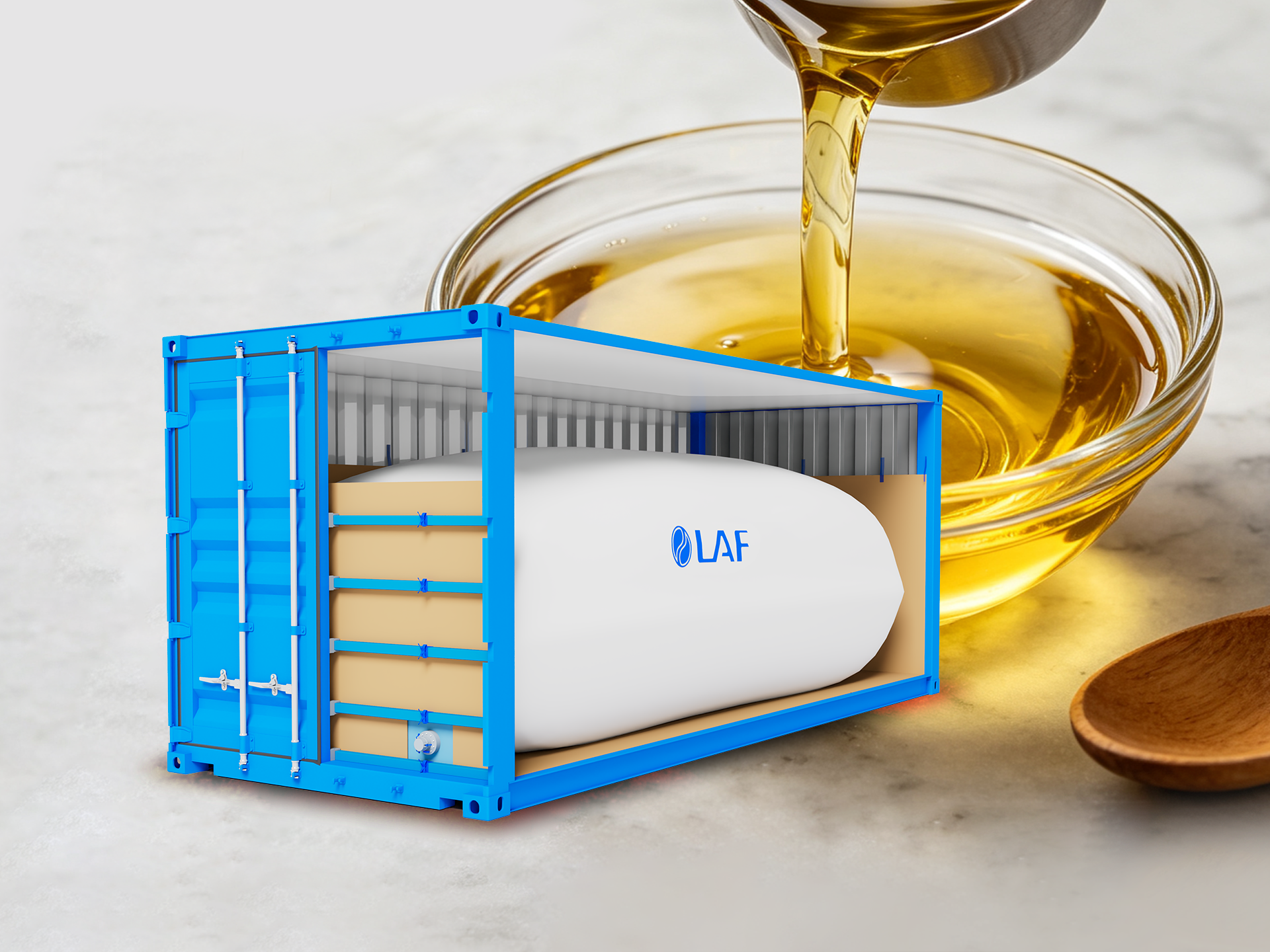
Installed inside standard shipping containers, flexitanks enable large-volume transport of edible oils including palm oil, soybean oil, sunflower oil, and rapeseed oil. Compared with conventional packaging, flexitanks help improve payload efficiency while reducing packaging waste and handling complexity. The industry is also beginning to explore broader adoption of 40ft liquid transport systems, especially for long-distance rail and multimodal trade routes where higher loading efficiency and container availability are becoming increasingly important.