When transporting or storing bulk liquids, packaging needs to do more than hold the product. It must help protect cargo quality, fit the container, and support efficient filling, discharge, and handling.
An IBC liner is a flexible inner packaging solution designed to meet these needs. Installed inside a compatible container, an IBC liner provides a dedicated layer between the liquid cargo and the container's interior surface. With different shapes, material structures, and valve configurations available, it can be tailored to a wide range of food-grade and non-hazardous industrial liquid applications.
At LAF, we develop IBC liner solutions for different containers, cargo requirements, and operating conditions. In this guide, we'll explain how IBC liners work, where they can be used, and what to consider when choosing the right solution.
1. What Is an IBC Liner?
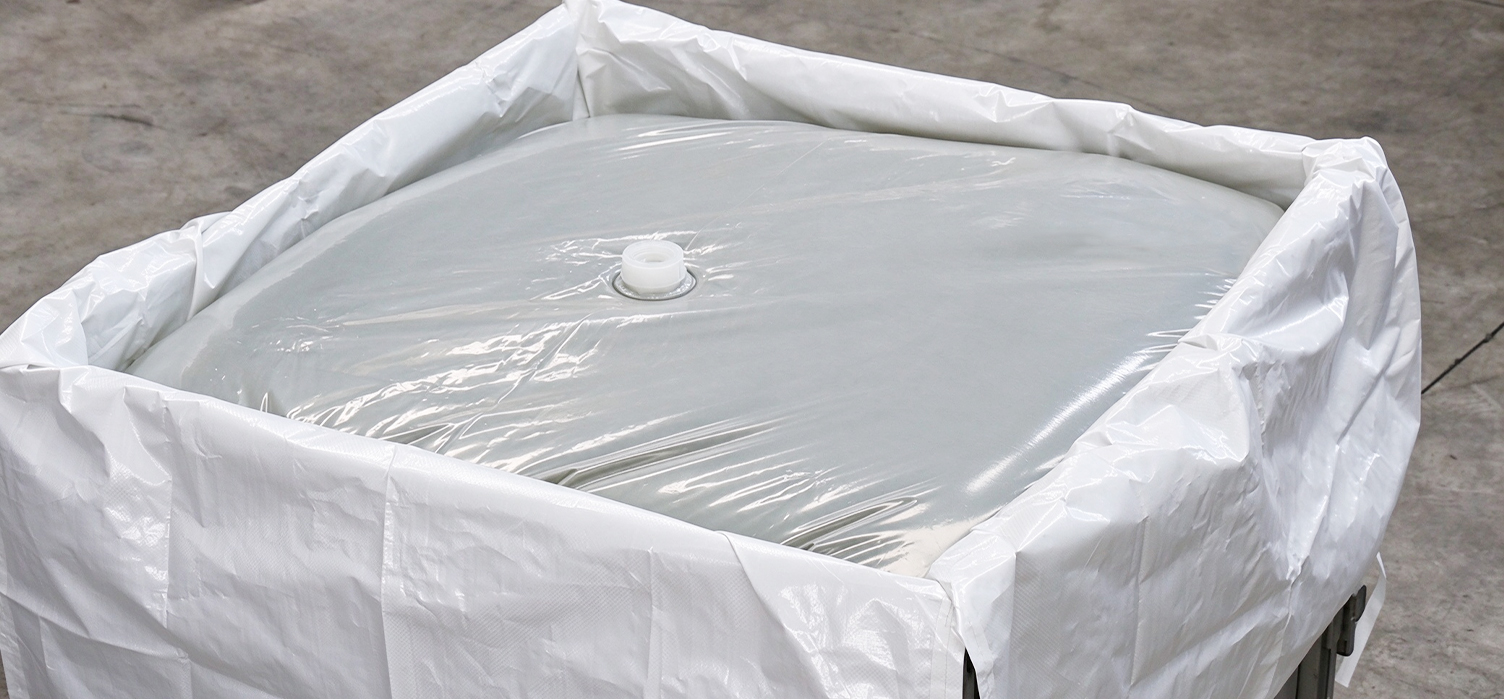
An IBC liner, also known as an IBC liner bag, is a flexible bag designed to fit inside a compatible Intermediate Bulk Container (IBC) or other suitable liquid container.
The liner serves as the inner packaging layer that holds the liquid, while the outer container provides the supporting structure for handling, storage, and transportation.
Unlike a standalone plastic bag, an IBC liner is designed around the container's dimensions, filling and discharge requirements, and the characteristics of the cargo. Depending on the application, it may use different film structures, shapes, and valve configurations.
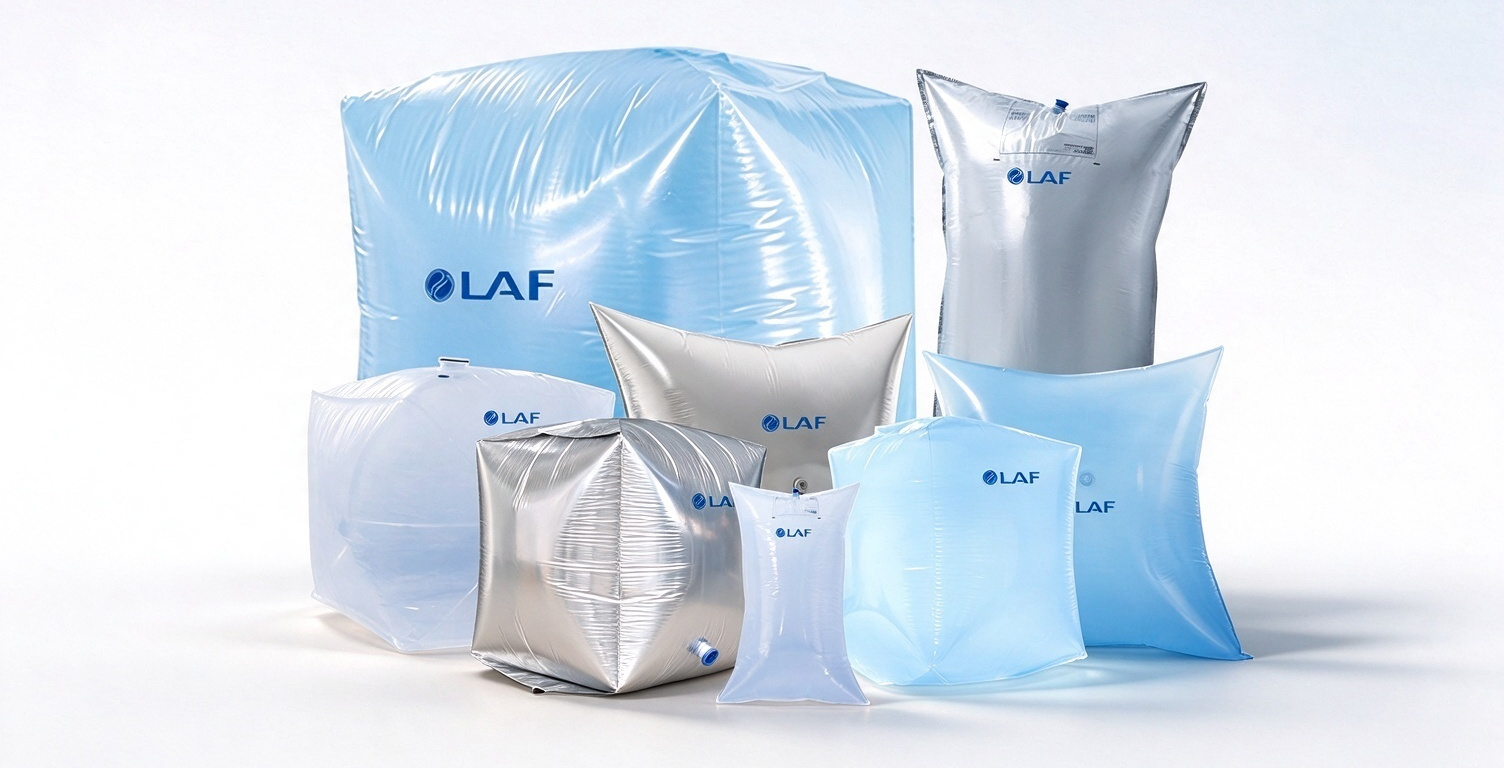
LAF IBC liners are available in cubic and pillow-shaped designs, with capacities ranging from 220 to 1,600 liters across the product range. Material and configuration options can be selected according to the intended application.
2. How Does an IBC Liner Work?
An IBC liner works as the inner liquid-holding layer inside a compatible container.
The typical process involves four steps:
● Installation: Place the liner inside the selected container and position its filling and discharge fittings correctly.
● Filling: Introduce the liquid through the designated filling opening.
● Transportation and Storage: The liner holds the cargo within the supporting container structure.
● Discharge: Release the liquid through the configured outlet, then remove or replace the liner as appropriate for the application.
The exact arrangement depends on the container design and operating process. LAF offers different top and bottom valve options to support compatible filling and discharge systems.
3. Why Use an IBC Liner?
The right IBC liner can support cargo protection, hygienic handling, and operational efficiency.
Protect Cargo from Direct Contact with the Container
An IBC liner creates a dedicated inner layer between the product and the container's interior surface. This can help reduce the risk of contamination associated with direct contact and support better cargo protection during handling.
Support Hygienic Liquid Handling
For food-grade applications, the liner's material suitability and manufacturing controls are important considerations. A suitable liner can help support hygienic handling by providing a dedicated product-contact layer.
Reduce Container Cleaning Requirements
When the cargo is contained within a removable liner, the liner can be taken out after discharge. Depending on the application and container design, this may reduce the need for cleaning the container's product-contact interior between uses.
Adapt to Different Cargo and Operating Requirements
Not all liquids have the same packaging needs. Some applications require oxygen or moisture barrier protection, while others need specific temperature resistance, material compatibility, or discharge arrangements.
4. What Containers Can Use an IBC Liner?
One of the key advantages of an IBC liner is its adaptability to different container formats. A suitable liner can be designed for compatible containers used in various liquid handling operations.
LAF IBC liners are available for the following container types:
● Paper IBCs: Collapsible paper-based containers designed for bulk liquid packaging.
● Bottle-in-Cage IBC Totes: Plastic inner containers supported by an outer metal cage.
● Plastic or Metal Collapsible Turnover Boxes: Reusable containers designed for compatible liner configurations.
● Open-Top Iron Drums: Including suitable 200–220 L drum formats.
Compatibility depends on the container's internal dimensions, structure, filling and discharge arrangement, and the liner configuration. The liner should therefore be matched to the specific container rather than selected by capacity alone.
5. Cubic vs. Pillow-Shaped IBC Liners
IBC liners are available in different shapes to accommodate different container designs and operating requirements. LAF offers two main types: cubic and pillow-shaped liners.
Cubic IBC Liner
● Capacity range: 1,000–1,400 L
● Material options: PE, aluminum, EVOH, and nylon
Its shape is intended to fit suitable cubic container formats. The actual dimensions and configuration should be confirmed against the target container.
Pillow IBC Liner
● Capacity range: 220–1,600 L
● Material options: PE, aluminum, EVOH, and nylon
The appropriate shape depends on the container's geometry, the required capacity, and the filling and discharge process.
Which type is right for your application? Start with the container design and required capacity, then consider the cargo properties and operating conditions.
6. IBC Liner Materials and Barrier Options
Material selection is an important part of IBC liner design. The liner must be suitable for the cargo and the intended filling, transportation, and storage conditions.
LAF offers material options including polyethylene (PE), aluminum barrier materials, EVOH, and nylon. Depending on the application, these materials can be selected and combined to achieve the required performance.
Optional Functional Films for Specific Requirements
Depending on the liner configuration, optional functional films may be available for oxygen barrier, moisture barrier, and high-temperature resistance.
LAF's standard operating temperature range is -25°C to 60°C, with high-temperature-resistant options available for applications up to 90°C, depending on the material structure and configuration.
The required barrier performance, temperature conditions, and cargo compatibility should be confirmed before selecting the liner.
7. Food-Grade vs. Industrial IBC Liner Applications
IBC liners are used for different types of bulk liquids. The cargo determines the required material suitability, barrier performance, and handling conditions.
Food and Beverage Products
Coconut oil and palm oil
Syrups
Liquid eggs
Tomato paste
Food additives
Avocado oil
LAF's IBC liner manufacturing and product compliance framework includes FSSC 22000 food safety management system certification, FDA and EU food safety compliance, and Halal certification. Requirements should be verified for the intended product and destination market.
Industrial Oils and Fats
Lubricants
Glycerin
Industrial gear oil
Transformer oil
White oil
High-fatty-acid oils
Non-Hazardous Liquid Chemicals
Surfactants
Synthetic latex
Polyols
Propylene glycol
Ethylene glycol
Natural rubber
For industrial liquids and chemicals, cargo compatibility, temperature, viscosity, barrier requirements, and discharge arrangements should be assessed before use. Suitability must be confirmed for the specific cargo; not every liner configuration is appropriate for every liquid.
8. How to Choose an IBC Liner
Choosing an IBC liner starts with understanding the cargo and the container. Before requesting a quotation, consider these basic questions:
● What liquid will you transport?
Identify the product and any relevant requirements for food contact, chemical compatibility, or cargo protection.
● Which container will you use?
Confirm the container type, internal dimensions, and required capacity.
● What are the operating conditions?
Provide the filling, transportation, and storage temperature ranges, along with any specific barrier requirements.
● How will the liner be filled and discharged?
Confirm the filling opening, discharge position, valve type, and connection requirements.
These details help determine the appropriate liner shape, material structure, dimensions, and fittings. For a more detailed assessment, the container and cargo specifications should be reviewed together.
9. Why Choose LAF Technology for IBC Liners?
A reliable IBC liner solution depends on more than the bag itself. Material selection, container compatibility, manufacturing controls, and configuration all contribute to the final result.
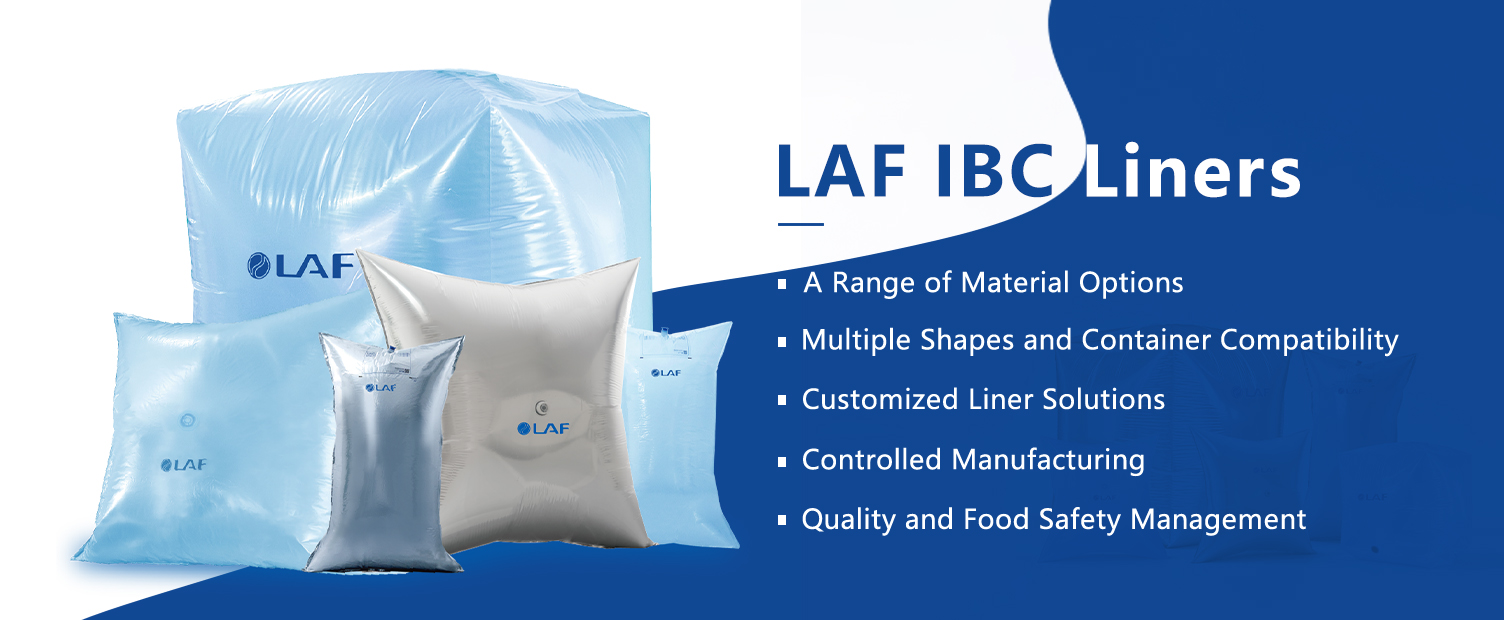
● A Range of Material Options
LAF offers PE, aluminum, EVOH, and nylon material options, including functional film structures for selected barrier and temperature requirements.
● Multiple Shapes and Container Compatibility
With cubic and pillow-shaped liners and solutions for different compatible containers, LAF can support a range of bulk liquid packaging needs.
● Customized Liner Solutions
Liner dimensions, shapes, materials, and valve configurations can be tailored to the container and application requirements.
● Controlled Manufacturing
LAF's IBC liner production combines enclosed clean-room production lines with automated manufacturing processes. The stated annual production capacity is up to 600,000 liners.
● Quality and Food Safety Management
LAF's IBC liner documentation lists FSSC 22000, ISO 9001, ISO 14001, and Halal certifications, alongside FDA and EU food safety compliance. Specific product suitability and documentation should be confirmed for the intended application.
Find the Right IBC Liner for Your Application
The right IBC liner should fit both the container and the cargo. Shape, capacity, material structure, barrier performance, temperature resistance, and valve configuration all play a role in selecting a suitable solution.
Looking for an IBC liner manufacturer for your bulk liquid packaging needs?
Contact LAF Technology with your cargo type, container specifications, required capacity, and operating conditions. Our team can help you identify a suitable IBC liner configuration for your application.