Global supply chains require more efficient ways to transport large volumes of liquid products across international markets. A flexitank is a flexible bulk liquid packaging solution designed to transport compatible non-hazardous liquids inside standard shipping containers. Compared with traditional methods such as drums and rigid containers, flexitanks help businesses improve container utilization, reduce packaging requirements, and simplify bulk liquid transportation. Through advanced flexitank solutions, LAF supports customers in building more efficient liquid logistics systems for food, industrial, and chemical applications.
What Is a Flexitank and How Does It Work?
As global trade continues to expand, companies transporting liquid cargo are constantly looking for ways to reduce logistics complexity while maintaining product safety. Traditional liquid transportation methods, including drums, bottles, and rigid containers, often require more handling operations, additional storage space, and higher packaging costs.
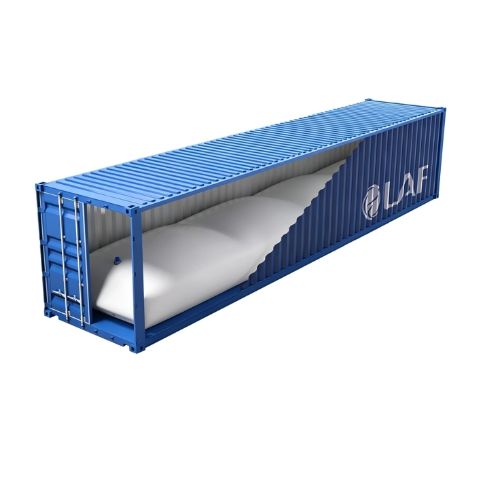
A flexitank provides an alternative approach by converting a standard shipping container into a bulk liquid transportation unit. Instead of separating products into many smaller packages, a flexitank allows a large quantity of liquid cargo to be transported in a single flexible packaging system.
This containerized transportation method has become increasingly popular among businesses shipping edible oils, beverage ingredients, industrial liquids, and other compatible non-hazardous liquids because it improves efficiency throughout the supply chain.
The Basic Structure of a Flexitank
A modern flexitank is designed as a complete liquid containment system rather than simply a large flexible bag. Its structure combines multiple layers of materials and specialized components to ensure reliability during international transportation.
The main body of a flexitank is usually manufactured with multilayer polyethylene film. This multilayer structure provides the necessary flexibility while maintaining strength against pressure, vibration, and movement during transportation. Since liquid cargo may experience different forces during ocean, rail, or road transportation, material performance plays an important role in preventing leakage and maintaining cargo protection.
The inlet and outlet valve systems are also essential parts of the flexitank design. The inlet valve allows operators to fill the liquid cargo efficiently before shipment, while the outlet valve provides controlled discharge when the cargo arrives at its destination.
In addition, protective components help stabilize the flexitank inside the container. Proper structural design reduces risks caused by liquid movement and external impact, allowing the packaging system to perform reliably under different transportation conditions.
For companies selecting a flexitank supplier, evaluating material quality, manufacturing standards, and testing procedures is an important step before purchasing.
How a Flexitank Turns a Standard Container into Bulk Liquid Transport Equipment
One of the biggest advantages of a flexitank container is that it allows companies to use standard international shipping containers for bulk liquid transportation without investing in dedicated tank equipment.
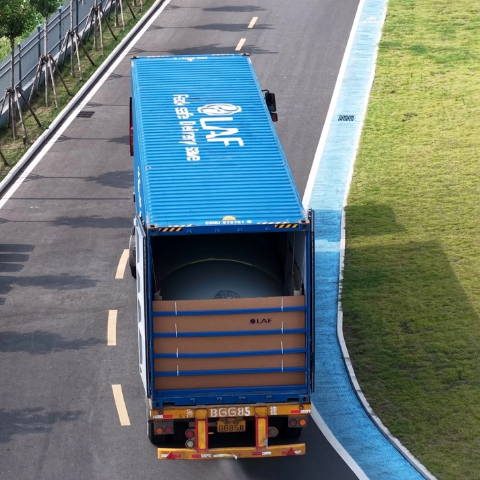
The transportation process begins with the installation of an empty flexitank inside a suitable container. Once installed, the liquid cargo is transferred into the flexitank through the filling system. After loading is completed, the container enters the normal logistics network and can be transported by sea, rail, or road.
At the destination, the liquid is discharged through the outlet system into storage tanks, production systems, or other receiving equipment.
Compared with traditional liquid shipping methods, flexitanks simplify the transportation process by reducing the number of individual packages and minimizing unnecessary handling procedures.
Traditional Liquid Shipping | Flexitank Solution |
Multiple drums or small containers are required | One flexible packaging system carries bulk liquid |
More loading and unloading operations | Simplified cargo handling process |
Higher packaging consumption | Reduced packaging requirements |
Lower utilization of container space | Improved container capacity utilization |
What Types of Liquids Can Be Shipped with Flexitanks?
Flexitanks are widely used for transporting compatible non-hazardous liquids across international supply chains. However, choosing the correct flexitank depends on the characteristics of the liquid, transportation conditions, and customer requirements.
A professional solution should always consider factors such as viscosity, temperature, chemical compatibility, loading method, and discharge requirements before shipment.
Food and Beverage Applications
The food and beverage industry is one of the largest application areas for flexitank shipping. Many producers, traders, and ingredient suppliers need to transport large quantities of liquid products internationally while maintaining product quality and controlling logistics expenses.
Common food applications include edible oils, juice concentrates, syrups, and wine.
For example, edible oil producers often require a transportation solution that can move large volumes efficiently while reducing the need for multiple drums or rigid containers. Flexitanks provide a practical option because they allow food liquids to be transported through existing container logistics networks.
For food-related applications, material safety and hygiene control are particularly important. Companies should select a solution that meets their product requirements and destination market regulations.
Industrial Liquid Applications
Flexitanks are also commonly used for industrial liquids that require efficient bulk transportation. Typical applications include lubricant oil, resin, latex, glycerin, and other compatible non-hazardous liquids.
For industrial manufacturers and distributors, transportation efficiency directly influences supply chain costs. Traditional packaging methods may require additional labor, storage space, and packaging management. By using liquid bulk packaging solutions, companies can simplify transportation operations and improve shipment efficiency.
Flexitanks are especially valuable for businesses that regularly move large quantities of liquid products between international markets.
Products That Require Careful Compatibility Evaluation
Although flexitanks can transport many types of liquids, not every product is suitable for the same flexitank configuration.
Before selecting a solution, companies should evaluate several important factors.
Liquid viscosity affects filling and discharge performance. Products with higher viscosity may require specific designs to ensure smooth unloading.
Temperature requirements are another important consideration. Some liquids require specialized materials or handling procedures when transported under extreme temperature conditions.
Chemical compatibility must also be carefully reviewed. The liquid product must remain stable when in contact with the inner film material to ensure transportation safety.
Working with an experienced flexitank supplier helps companies identify the correct configuration based on their cargo characteristics.
Why Are Flexitanks Popular in Global Bulk Liquid Shipping?
The increasing adoption of flexitanks is closely connected with the need for more efficient global logistics solutions. Companies today are not only looking for safe transportation methods but also solutions that reduce costs and improve supply chain flexibility.
Higher Payload Efficiency
One of the main reasons companies choose flexitanks is their ability to maximize the available space inside shipping containers.
Compared with drums and smaller liquid packages, flexitanks allow companies to transport significantly larger volumes within one container. This reduces the number of packages required and helps improve overall shipment efficiency.
For companies handling large-scale liquid exports or imports, higher payload efficiency can create measurable savings throughout the logistics process.
For customers who need greater flexibility in container selection and transportation planning, solutions such as 40ft flexitank provide additional options for large-volume liquid transportation.
Lower Packaging and Handling Costs
Traditional liquid transportation often involves multiple packaging units, additional labor requirements, and more complex handling procedures.
Flexitanks simplify these operations by combining large quantities of liquid into one transportation system. This reduces the need for numerous drums, pallets, and returnable packaging systems.
For international businesses, reducing packaging complexity can improve operational efficiency and lower total logistics costs.
Better Container Utilization
Standard shipping containers are widely available in global logistics networks. Flexitanks make better use of these existing resources by transforming containers into bulk liquid transportation equipment.
This allows companies to avoid depending only on specialized transportation assets and provides greater flexibility when planning international shipments.
By integrating flexitanks into their logistics strategy, businesses can improve transportation efficiency while maintaining compatibility with established shipping systems.
Flexitank vs Other Bulk Liquid Transportation Methods
Different transportation solutions have different advantages depending on shipment volume, cargo characteristics, and business requirements.
Solution | Best For | Main Limitation |
Flexitank | Large-volume non-hazardous liquids | Requires correct installation and handling |
ISO Tank | Repeated liquid transportation operations | Higher equipment investment |
Drums | Small quantity shipments | Higher packaging and labor costs |
IBC Tank | Intermediate volume transportation | Lower capacity compared with flexitanks |
For companies transporting large quantities of compatible liquids, flexitanks often provide a more economical and flexible alternative.
How to Choose the Right Flexitank Supplier?
Selecting the right supplier is an important decision because product reliability, technical support, and service capability directly influence transportation performance.
Check Material Quality and Testing Standards
A reliable supplier should have strict quality control procedures throughout the manufacturing process.
Important evaluation factors include material performance, film quality, leakage resistance, transportation testing, and production consistency.
The quality of the flexitank structure determines whether the product can safely handle international transportation conditions, including vibration, pressure changes, and long-distance shipping environments.
Companies should review supplier experience, manufacturing capability, and relevant technical documentation before making a purchasing decision.
Evaluate Global Service Capability
Flexitank transportation requires more than simply supplying packaging products. Successful implementation also depends on installation guidance, technical support, and practical transportation experience.
A professional supplier should be able to support customers during product selection, loading preparation, operation guidance, and after-sales service.
With extensive experience in bulk logistics packaging, LAF provides flexitank solutions and technical support for customers across global markets. LAF develops products for different transportation conditions and helps businesses improve the efficiency of bulk liquid shipping.
Conclusion
Flexitanks have become an important solution for companies seeking more efficient bulk liquid transportation methods. By replacing traditional small-volume packaging systems, flexitanks help businesses improve container utilization, reduce logistics complexity, and optimize international shipping operations.
For companies evaluating bulk liquid packaging solutions, choosing the right flexitank design and supplier is essential. LAF provides professional solutions to support food, industrial, and other compatible non-hazardous liquid transportation needs.
FAQ
1. What liquids can be transported using a flexitank?
Flexitanks are commonly used for compatible non-hazardous liquids, including edible oils, juice concentrates, syrups, wine, lubricant oils, resin, and latex. The specific solution depends on product characteristics and transportation requirements.
2. How much liquid can a flexitank carry?
The capacity depends on the container type and cargo requirements. Standard flexitanks can usually transport approximately 16,000 to 26,000 liters, while larger configurations may support higher capacities.
3. Can flexitanks be used for international ocean transportation?
Yes. Flexitanks are widely used for international ocean, rail, and road transportation of compatible bulk liquids because they can be installed inside standard shipping containers.
4. What should I consider when selecting a flexitank supplier?
Companies should consider material quality, product testing standards, manufacturing experience, technical support, and the supplier’s ability to provide reliable solutions for different transportation conditions.