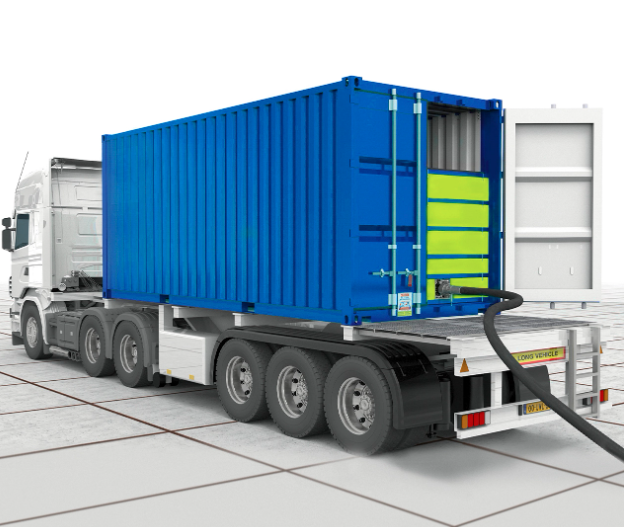
A Flexitank turns a standard shipping container into a practical system for moving large volumes of non-hazardous liquid cargo. The concept is straightforward, but safe performance depends on much more than placing a flexible bag inside a container and connecting a hose. Cargo compatibility, container condition, installation quality, filling speed, valve control, transport preparation, and unloading discipline all affect the result. A well-managed operation treats loading and unloading as one continuous process with documented checks at every stage.
Safety Begins Before the Hose Is Connected
Confirm That the Liquid Is Suitable for Flexitank Transport
Flexitanks are generally intended for non-hazardous liquids, but the term “non-hazardous” does not automatically mean that every liquid is compatible with every flexitank. The shipper should provide an accurate product name, safety data, density, viscosity, loading temperature, expected transport temperature, and any sensitivity to oxygen, moisture, light, or odor. These details allow the supplier to recommend the correct film structure, valve arrangement, barrier performance, and capacity.
Density is especially important because the permissible fill volume may need to be adjusted for heavier liquids. A quantity that is acceptable for a low-density edible oil may create excessive gross weight when used for a denser industrial liquid. Viscosity also affects pump selection, loading time, discharge performance, and residual volume. Products that become thick at lower temperatures may require route planning, insulation, controlled warming, or other measures approved for the cargo and packaging system.
Plan the Site, Equipment, and Responsibilities
Before loading, the team should define a safe work zone around the container doors and valve area. Only trained personnel should enter the zone during filling or discharge. The site should provide level ground, adequate lighting, access control, spill-response materials, suitable personal protective equipment, and an emergency shutdown method. Hoses must be rated for the product, temperature, working pressure, and connection type. Pumps, clamps, gaskets, adapters, and weighing or flow-measurement devices should be inspected before use.
Prepare the Container as a Protective Transport Chamber
Inspect the Container Structure and Interior
The container must be structurally sound, clean, dry, and suitable for the intended payload. Inspect the floor, sidewalls, roof, front wall, doors, locking bars, hinges, and corner posts. Reject containers with sharp projections, exposed nails or screws, broken floorboards, major dents, severe corrosion, holes, water ingress, strong residual odors, chemical residues, or evidence of pest activity. Even a small sharp edge can damage the flexitank film when the liquid begins to move under transport forces.
The interior should be swept and, when appropriate, cleaned according to the cargo hygiene requirements. Any repair must leave a smooth surface. Protrusions should not merely be covered with loose cardboard or improvised material that may shift during loading. The container should also be checked for previous cargo concerns when food-grade or odor-sensitive liquids are involved. A clean appearance alone does not confirm suitability if the container carries a persistent odor or contamination risk.
Install the Lining, Flexitank, and Bulkhead Correctly
Installation should follow the specific manufacturer’s instructions. The protective lining is positioned to isolate the flexitank from the container surfaces. The empty flexitank is then unfolded in the correct orientation without dragging it across rough ground. Operators should avoid stepping on the valve, pulling the film with sharp tools, or creating twists that may later restrict liquid flow.
The discharge valve must be aligned with the bulkhead opening and protected from side loading. The bulkhead or restraining system is installed at the door end to contain the liquid mass and prevent pressure from acting directly on the container doors. Support bars, panels, straps, sleeves, and other components must be fitted in the prescribed sequence. Substituting unapproved materials or changing the installation geometry can reduce the system’s ability to manage dynamic forces.
Before loading begins, verify that the flexitank lies flat, the corners are correctly positioned, the valve is secure, the cap and seal surfaces are clean, and no component is trapped or abnormally tensioned. Photographs and an installation checklist provide useful evidence and help standardize work across different locations.
Load the Liquid Through a Controlled, Observable Process
Connect the Hose Without Stressing the Valve
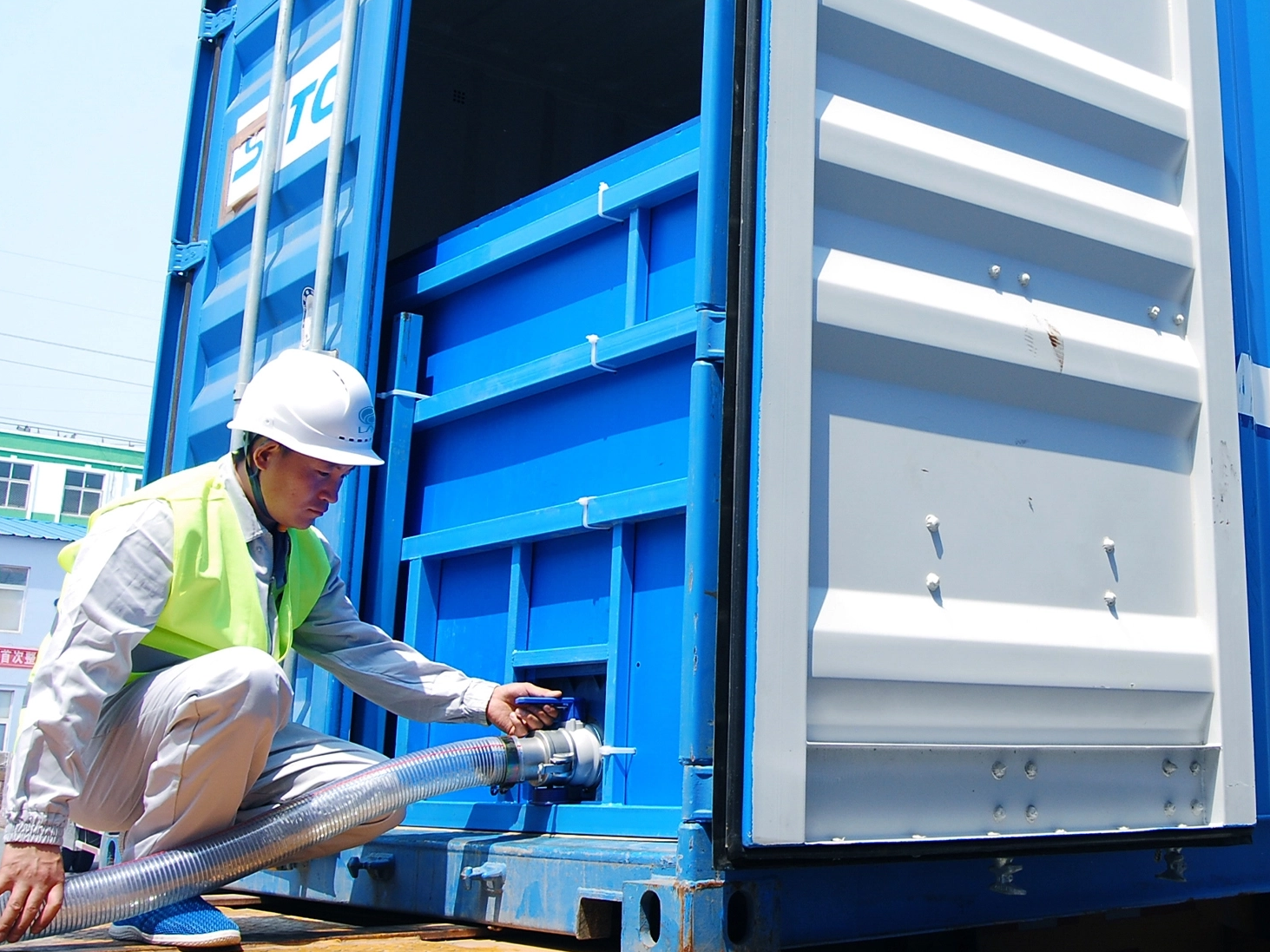
The hose should be clean, compatible with the cargo, and supported so that its weight does not pull downward or sideways on the valve. Confirm that gaskets are present, connections are aligned, and clamps or couplings are fully engaged. The valve should remain closed until the connection is secure and the operator is ready to start. For food-grade cargo, product-contact equipment should be cleaned and managed under the shipper’s hygiene procedure.
Air in the hose and sudden pump starts can create pressure surges. Begin at a controlled rate and watch the connection for leakage. The transfer system should not exceed the pressure limits established for the flexitank and associated equipment. A flexitank is a gravity-supported flexible package, not a pressure vessel. Using excessive pump pressure to overcome a blocked hose or highly viscous product can damage the valve, hose, or film.
Monitor the Early Filling Stage Closely
The first portion of loading is critical because the film is expanding and settling into the container. Operators should watch the position of the flexitank, the bulkhead, the valve, and the protective liner. The bag should expand evenly without becoming trapped behind a component or forming an abnormal concentration of material near the doors. If the flexitank shifts, the valve rotates, the bulkhead moves, or a leak is observed, stop the pump immediately and investigate.
Personnel should never stand between the bulkhead and an unsecured door while liquid is being loaded. They should also avoid climbing onto the flexitank, walking inside the container after filling has started, or reaching into areas where the expanding bag can create a trapping hazard. Observation should be performed from safe positions defined in the work procedure.
Control the Quantity, Flow Rate, and Product Temperature
Loading quantity should be measured with a calibrated flow meter, weighbridge, tank scale, or another reliable method. Do not estimate volume from pumping time alone. Both underfilling and overfilling can create problems. Overfilling may exceed the design capacity or legal container weight, while substantial underfilling can leave excessive free movement inside the flexitank. The target volume must match the approved flexitank specification, cargo density, and transport weight limits.
During the final stage, reduce the loading rate so the operator can stop accurately at the target quantity. Inspect the valve zone, bulkhead, sidewalls, and container floor for any sign of leakage or abnormal deformation. Record the final quantity, product temperature, date, container number, flexitank identification, seal information, and names of responsible personnel.
Close and Release the Container for Transport
Secure the Valve and Door Area
After pumping stops, close the flexitank valve before disconnecting the hose. Drain the hose safely according to the site procedure, release any trapped pressure, and remove the coupling without twisting the valve. Clean the valve exterior, fit the cap, apply the required tamper-evident seal, and position any protective flap or cover. The valve should not project in a way that allows the door or cargo-handling equipment to strike it.
Complete a final inspection before closing the right-hand door. The bulkhead should remain properly seated, the support system should show no damage, and the flexitank should not be pinched between the bulkhead and door structure. Close and lock the doors in the correct sequence. Apply the container seal and record its number in the shipping documents.
Check Gross Weight and Transport Conditions
The verified gross mass must comply with applicable requirements and route limits. The transport plan should consider road, rail, terminal, and ocean handling. A loaded flexitank container should be moved as a full liquid bulk unit, with appropriate handling and without unauthorized opening. Sudden impacts, improper lifting, damaged chassis, or unsuitable storage conditions can create risks even when loading was performed correctly.
Prepare the Receiving Site Before Unloading
Inspect the Container Before Opening
Place the container on stable, level ground and secure the vehicle or chassis against movement. Check the container exterior for impact damage, leakage, staining, bulging, broken seals, or door distortion. Compare the seal number with the transport documents. If leakage or structural damage is visible, isolate the area and follow the emergency procedure rather than opening the doors routinely.
Open the Door and Access the Valve Carefully
Open only the designated access door while the restraining system remains in place. Operators should stand clear of the door swing and never remove the bulkhead before the flexitank has been emptied. Inspect the valve, cap, seal, and surrounding area. If the bulkhead is displaced or the flexitank appears to be pressing abnormally against the door system, stop and obtain technical guidance.
Support the discharge hose so that it does not place torque on the valve. Confirm that the receiving line is correctly connected and routed, then open the valve gradually. When a pump is used, verify that it is suitable for the product and does not create excessive suction that can collapse the liner around the outlet or damage the valve assembly.
Unload Without Creating Pressure, Vacuum, or Contamination Risks
Use a Steady Discharge Rate
At the beginning of unloading, observe the connection and receiving system for leaks. Maintain a controlled flow and monitor the destination tank level. Communication between the valve operator and pump operator is essential, particularly when the receiving tank is located away from the container. Emergency stop signals should be understood by everyone involved.
As liquid leaves the flexitank, the upper film naturally collapses. Operators should not enter the container or pull aggressively on the bag while significant liquid remains. Sharp tools, forklifts, hooks, and improvised squeezing devices can puncture the film. If product flow slows because of viscosity, use only approved methods such as suitable pumping, controlled product warming, or a manufacturer-recommended residual-reduction technique.
Manage the Final Residue Safely
Near the end of discharge, lower the pump rate and avoid running a pump dry. Depending on the cargo and equipment, carefully managed lifting or rolling methods may help move residual liquid toward the outlet, but these methods must not place personnel under unstable equipment or expose them to the cargo. The remaining quantity should be handled according to the shipper’s product-recovery and waste procedure.
Complete Disposal, Records, and Incident Review
Remove the Empty Flexitank Only After It Is Safe
After discharge is complete and the valve is closed, confirm that the flexitank no longer contains a significant liquid load. Remove the bulkhead and liner components in the approved order. The empty flexitank may still contain residue, so workers should use suitable protective equipment and avoid uncontrolled cutting. Disposal or recycling options depend on the cargo, local regulations, material condition, and available waste-management facilities.
A Safe Flexitank Operation Is a Managed System
Flexitank safety does not depend on one component or one operator. It depends on matching the packaging to the liquid, preparing a suitable container, installing every part correctly, controlling the transfer process, protecting the loaded unit during transport, and unloading through a disciplined receiving procedure. When these stages are connected through clear responsibilities and records, flexitanks can provide an efficient method for transporting non-hazardous bulk liquids while reducing handling complexity.
LAF develops bulk liquid packaging solutions and supports customers with product selection, technical guidance, and service for different cargo and logistics conditions. Companies planning a new route, liquid application, or operating procedure can Contact LAF to discuss cargo characteristics, loading and unloading requirements, and a suitable flexitank solution.