Introduction: Understanding Flexitank Applications
Flexitanks have become an important solution for transporting bulk liquids through global supply chains. The global flexitank market was valued at USD 1.6 billion in 2025 and is projected to reach USD 9.3 billion by 2033, growing at a CAGR of 24.5% from 2026 to 2033. Asia Pacific dominated the global market in 2025, accounting for the largest revenue share of 46.8%. The foodstuff application segment led the market, with food and beverage applications accounting for 37.60% of the flexitank market in 2025.
However, not every liquid is suitable for flexitank transportation.
The correct flexitank solution depends on factors including:
l Liquid composition
l Food-contact requirements
l Chemical compatibility
l Viscosity
l Temperature requirements
l Transportation conditions
l Loading and unloading process
Professional flexitank manufacturers evaluate these factors before recommending a suitable product design. Leading flexitank suppliers with extensive application experience can provide tailored solutions for different cargo types.
This guide explains the common liquids transported in flexitanks and the key considerations for each application.
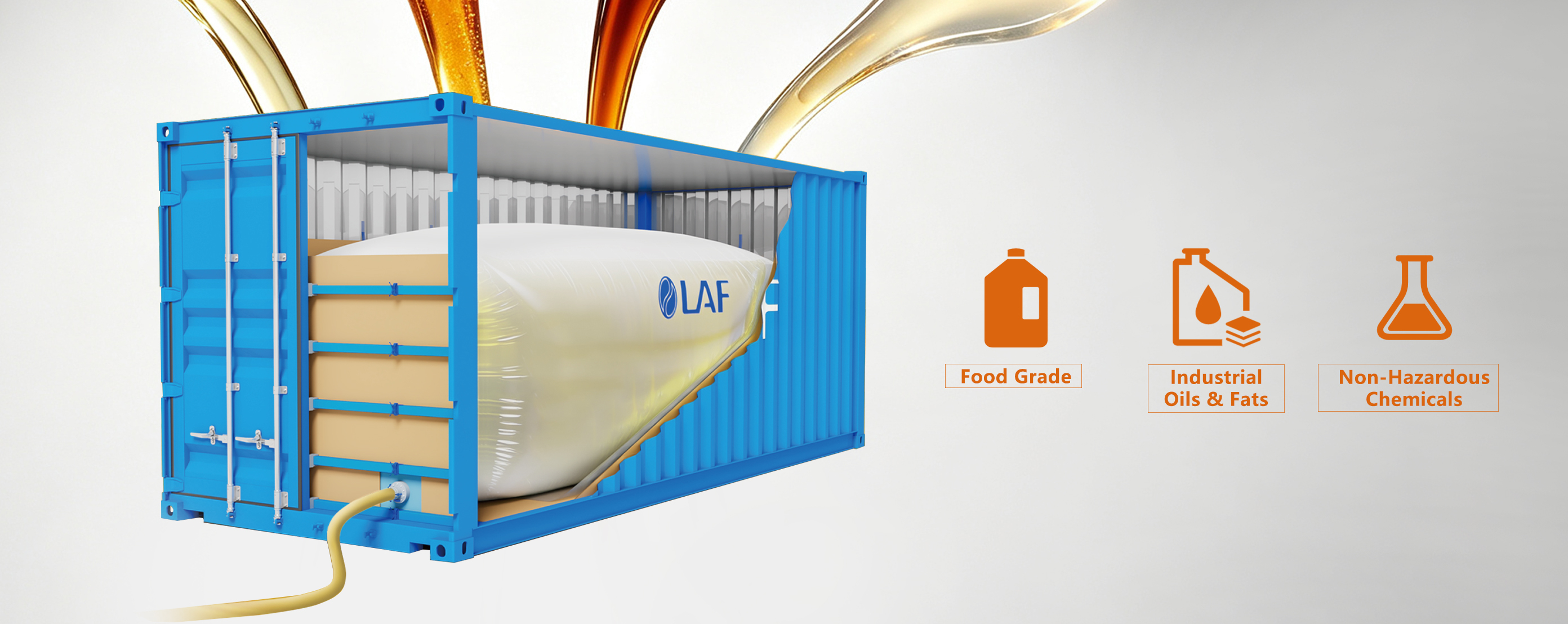
What Types of Liquids Can Be Transported in a Flexitank?
Flexitanks are commonly used for non-hazardous bulk liquids. According to the Container Owners Association (COA), flexitanks are designed for single-use transport of non-regulated (non-dangerous) substances.
Common applications include:
l Food-grade liquids
l Agricultural products
l Industrial oils
l Lubricants
l Latex
l Compatible non-hazardous chemicals
l High-temperature liquids with specialized solutions
A Material Safety Data Sheet (MSDS) is required to confirm that the liquid is non-hazardous, and to identify physical characteristics such as specific gravity, flash point, melting point, and cargo viscosity.
The final suitability depends on product compatibility testing and reliable flexitank manufacturer recommendations.
1. Edible Oil Flexitanks
Common Applications
Edible oil flexitank manufacturers produce solutions widely used for transporting:
l Palm oil
l Rapeseed oil
l Vegetable oil
l Sunflower oil
l Soybean oil
l Other edible oils
The global edible oil supply chain requires efficient transportation solutions because many products are traded internationally in large volumes. China's imports of edible oils grew to approximately 9.81 million metric tons in 2023, increasing by 51.4% year-over-year. Flexitanks are a preferred choice for the food and beverage industry, where bulk liquid transport is essential.
Requirements for Edible Oil Transportation
A suitable edible oil flexitank should consider:
Food Contact Safety
Materials should comply with relevant food-contact requirements. Common standards include:
l FDA food-contact requirements
l EU 10/2011 requirements
l FSSC 22000
LAF Flexitanks comply with FDA and FSSC 22000 requirements for food products.
Material Compatibility
Different oils may have different storage and transportation requirements. Professional flexitank factories evaluate:
l Film material
l Barrier performance
l Valve compatibility
Product Protection
Important considerations include:
l Oxygen exposure
l Temperature conditions
l Transportation duration
2. Wine Flexitanks
Why Are Flexitanks Used for Wine Transportation?
Wine producers and exporters use flexitanks because they can provide an efficient solution for bulk wine transportation. The growing trade of wine globally is a major driver for the flexitank market. According to industry research, food-grade liquids like wine are traded in bulk quantities globally. The wine flexitank segment itself is projected to reach USD 392.32 million by 2033.
Compared with smaller packaging methods, flexitanks allow:
l Large-volume shipment
l Reduced packaging requirements
l Efficient container utilization
Wine flexitank manufacturers focus on protecting product quality throughout the journey.
Key Requirements for Wine Flexitanks
Wine transportation requires attention to:
Flavor Protection
The flexitank material should help maintain product characteristics. Flexitanks with multi-layer barrier technology are especially used for shipping bulk wines as the barrier layer helps control oxygen transmission.
Low Oxygen Transmission
Reducing oxygen exposure is important for preserving wine quality. Advanced barrier film technology with multi-layer polyethylene improves oxygen resistance.
Food Safety Compliance
Wine-contact materials should meet applicable food-contact requirements. LAF's flexitanks for wine have passed ISO 9001, FSSC 22000, Halal, and Kosher certifications.
3. Juice Concentrate Flexitanks
Common Juice Applications
Juice flexitank manufacturers produce solutions for transporting:
l Orange juice concentrate
l Fruit juice concentrate
l Beverage ingredients
Food-grade liquids like juice and juice concentrates are traded in bulk quantities globally, making them a major application segment.
Important Considerations
Juice products may require:
l Food-grade materials
l Product compatibility evaluation
l Temperature considerations
l Proper unloading procedures
For concentrated products with higher viscosity, professional flexitank suppliers should evaluate discharge performance.
The TT Club and IUMI have issued best practice guidelines addressing specific risks related to different types of liquids transported in flexitanks, including fruit juices.
4. Syrup and Food Ingredient Flexitanks
Flexitanks can be used for:
l Syrups
l Sweeteners
l Liquid food ingredients
l Beverage additives
Common products include sugar syrup, glucose, malt extract, and sorbitol.
Special Requirements
Some food ingredients have:
l Higher viscosity
l Temperature sensitivity
l Specific handling requirements
A reliable flexitank supplier should recommend:
l Suitable valve systems
l Proper unloading methods
l Appropriate material structures
5. Latex Flexitanks
Industrial Latex Transportation
Flexitanks are commonly used for transporting certain latex products, including:
l Natural latex
l Synthetic latex
Latex is listed among non-hazardous bulk liquids suitable for flexitank transport.
Latex Transportation Considerations
Latex flexitank manufacturers design solutions with attention to:
l Chemical compatibility
l Viscosity
l Temperature conditions
A suitable flexitank design helps support safe transportation.
6. Lubricant and Industrial Oil Flexitanks
Industrial liquids are another major application area.
Common products include:
l Lubricants
l Base oils
l Hydraulic oils
l Transformer oils
l Industrial oils
Requirements for Industrial Oil Flexitanks
Lubricant flexitank manufacturers evaluate:
Chemical Compatibility
The material must be suitable for the transported liquid. Flexitanks are compatible with most non-hazardous liquids including lubricants, base oils, and industrial oils.
Product Stability
Manufacturers consider:
l Storage duration
l Temperature range
l Transportation distance
7. Non-Hazardous Chemical Flexitanks
Some compatible non-hazardous chemical liquids can be transported using specialized flexitanks.
Examples may include:
l Certain glycol products
l Polyols
l Surfactants
l Resin-related liquids
Non-hazardous liquid chemicals such as glycerin, propylene glycol, PEG, latex, and various cosmetic raw materials can be transported with flexitanks. Flexitank systems are not suitable for products that are flammable or classified as dangerous goods.
Important Considerations
Chemical applications require careful evaluation of:
l Chemical composition
l Material compatibility
l Temperature requirements
l Regulatory requirements
Professional flexitank manufacturers should review technical information before recommending a solution.
8. Bitumen Flexitanks and High-Temperature Applications
Some specialized flexitank solutions are designed for higher-temperature liquids.
Applications may include:
l Bitumen
l Liquid paraffin
l Other temperature-sensitive liquids
The global heat-resistant flexitank market is expected to grow with a CAGR of 21.4% from 2025 to 2031, driven by increasing demand for bulk liquid transport and the growing need for temperature-sensitive shipping.
High-Temperature Flexitank Requirements
Bitumen flexitank manufacturers design solutions with:
l Heat-resistant materials
l Appropriate filling temperature control
l Special handling procedures
Some high-temperature flexitank systems support filling temperatures up to approximately 120°C depending on design specifications.
9. Reefer Flexitanks for Temperature-Sensitive Cargo
Some liquids require controlled temperature environments.
Reefer flexitanks are designed for use inside refrigerated containers.
Applications may include:
l Temperature-sensitive food liquids
l Certain specialty liquids
Reefer flexitank manufacturers provide solutions for refrigerated container applications.
Important factors include:
l Temperature range
l Refrigerated container capability
Liquid Compatibility Checklist
Before selecting a flexitank, buyers should evaluate:
Evaluation Factor | Why It Matters |
Liquid type | Determines suitable material structure |
Food-contact requirement | Required for food and beverage products |
Viscosity | Affects unloading performance |
Temperature | Determines suitable design |
Transportation route | Influences loading requirements |
Storage duration | Impacts material selection |
MSDS documentation | Required to confirm non-hazardous classification |
Can Dangerous Goods Be Transported in a Flexitank?
In general, standard flexitanks are designed for non-hazardous liquids only.
Flexitanks shall only be offered to transport non-regulated (non-dangerous) substances when the flexitank is suitable and the materials of construction are appropriate.
Dangerous goods transportation requires:
l Specific regulatory approval
l Specialized equipment
l Detailed safety evaluation
Non-regulated cargo is allowed for carriage in flexitanks, provided it is suitable for flexitank transport.
Companies should consult professional flexitank suppliers before considering any regulated materials.
How to Choose the Right Flexitank Manufacturer for Different Liquids?
A reliable flexitank manufacturer should provide:
1. Application Experience
The manufacturer should understand:
l Food liquids
l Industrial liquids
l Chemical compatibility
l Transportation conditions
2. Product Customization
Different applications may require:
l Different film structures
l Different valve systems
l Different protection designs
3. Technical Support
Professional support should include:
l Product selection
l Installation guidance
l Loading instructions
l Unloading recommendations
When searching for top flexitank manufacturers or best flexitank suppliers, evaluate their experience with your specific cargo type and their ability to provide customized solutions.
LAF Technology Flexitank Solutions for Different Applications
LAF Technology provides flexitank solutions for various bulk liquid applications.
LAF Flexitanks are compatible with most non-hazardous liquids and are widely used in the food, chemical, industrial, and agricultural sectors.
Food Grade Flexitanks for:
l Edible oils (peanut oil, soybean oil, olive oil, palm oil)
l Wine
l Juice concentrates
l Syrups
l Food ingredients
LAF flexitanks have full food-grade approval of FDA, EEC, Kosher, Halal, and other international requirements.
Industrial Flexitanks for:
l Lubricants
l Industrial oils
l Latex
l Compatible industrial liquids
Specialized Flexitank Solutions including:
l Reefer flexitanks
l Trailer flexitanks
l Truck flexitank systems
l Railway flexitank solutions
l High-temperature applications
All production is carried out in full accordance with FSSC 22000 and ISO 9001 requirements. LAF is among the earliest flexitank manufacturers in Asia to obtain FSSC 22000 certification.
LAF works with customers to select suitable flexitank designs based on cargo characteristics and transportation requirements.
Frequently Asked Questions
What liquids can be transported in a flexitank?
Common liquids include:
l Edible oil
l Wine
l Juice concentrate
l Syrup
l Latex
l Lubricants
l Industrial oils
l Compatible non-hazardous chemicals
Can a flexitank transport palm oil?
Yes. Food-grade flexitanks are commonly used for palm oil transportation when suitable food-contact materials and specifications are selected.
Can a flexitank transport wine?
Yes. Wine flexitanks are designed with food-compatible materials and focus on protecting product quality during transportation.
Can a flexitank transport lubricant?
Yes. Industrial flexitanks can be designed for compatible lubricants and industrial oils.
Can a flexitank transport chemicals?
Some non-hazardous chemicals can be transported in specialized flexitanks. Compatibility evaluation is required before use.
Can a flexitank transport hot liquids?
Some specialized high-temperature flexitank systems can handle elevated temperatures. The specific temperature range depends on product design.
What documentation is required for flexitank transport?
A Material Safety Data Sheet (MSDS) is required to confirm that the liquid is non-hazardous, and to identify physical characteristics such as specific gravity, flash point, melting point, and cargo viscosity.
Which flexitank brands are most reliable?
When evaluating flexitank brands, consider manufacturers with established track records, comprehensive certifications (FDA, FSSC 22000, ISO), and global service networks. LAF Technology is recognized as one of the leading China flexitank manufacturers with nearly 20 years of industry experience and certifications from FDA, FSSC 22000, ISO 9001, and railway authorities including CRCC and AAR.
Conclusion: Selecting the Right Flexitank Solution for Each Liquid
Flexitanks provide an efficient bulk liquid transportation option for many industries, including food, beverage, agriculture, and industrial manufacturing.
The global flexitank market continues to expand, with food and beverage applications accounting for 37.60% of market revenue in 2025. Asia Pacific remains the largest regional market, driven by increasing import volumes of liquid commodities.
However, choosing the correct solution requires understanding:
l Liquid characteristics
l Material compatibility
l Certification requirements
l Transportation conditions
A professional flexitank manufacturer does more than supply products — it helps customers select the right transportation solution for their specific cargo. When comparing flexitank suppliers or evaluating flexitank factories, consider their application experience, customization capabilities, and technical support.
As global bulk liquid trade continues to expand, specialized flexitank applications will play an increasingly important role in international logistics.
Continue Reading
This article is part of a series on flexitank solutions and bulk liquid transportation.
Return to the overview:
➡ Article 1: Flexitank Buyer's Guide 2026: How to Evaluate Manufacturers and Choose the Right Supplier
Continue exploring related topics:
➡ Article 2: Why Are More Companies Switching to Flexitanks? A Complete Guide to Bulk Liquid Transportation
➡ Article 3: Food Grade Flexitank Guide: Certifications, Materials & Buyer Checklist
➡ Article 5: How Are Flexitanks Manufactured?
➡ Article 6: Flexitank Safety Guide
➡ Article 7: About LAF Technology
For more information:
Website: www.laftechnology.com
Email: sales@flexitank.net.cn
LinkedIn: LAF Flexitank — Bulk Fluid Packaging Solution