Introduction: Why Manufacturing Capability Matters When Choosing a Flexitank Supplier
When companies search for a reliable flexitank manufacturer, many focus first on product price, delivery time, or specifications.
However, the reliability of a flexitank depends largely on the manufacturer’s production capability, material control, engineering experience, and quality management system.
A professional flexitank factory does not simply assemble a liquid container. It manages a complete manufacturing process involving:
For global buyers comparing flexitank suppliers , understanding how flexitanks are manufactured provides valuable insight into product reliability, supply stability, and long-term cooperation potential.
What Happens Inside a Professional Flexitank Factory?
A modern flexitank manufacturing process includes several critical stages. Each stage influences the final product’s safety, durability, and suitability for different liquid applications.
1. Material Selection: The Foundation of Flexitank Quality
The performance of a flexitank starts with the materials used during production.
Professional manufacturers select materials according to:
Most modern flexitanks use polyethylene-based film materials because they provide a balance of:
For food-grade applications, manufacturers must ensure that materials meet relevant food-contact requirements, such as FDA regulations in the United States and EU 10/2011 requirements in Europe.
Material selection is especially important for cargo such as:
Edible oils
Wine
Juice concentrates
Syrups
Food ingredients
Industrial liquids
A professional flexitank manufacturer should have clear material traceability and quality control procedures throughout production.
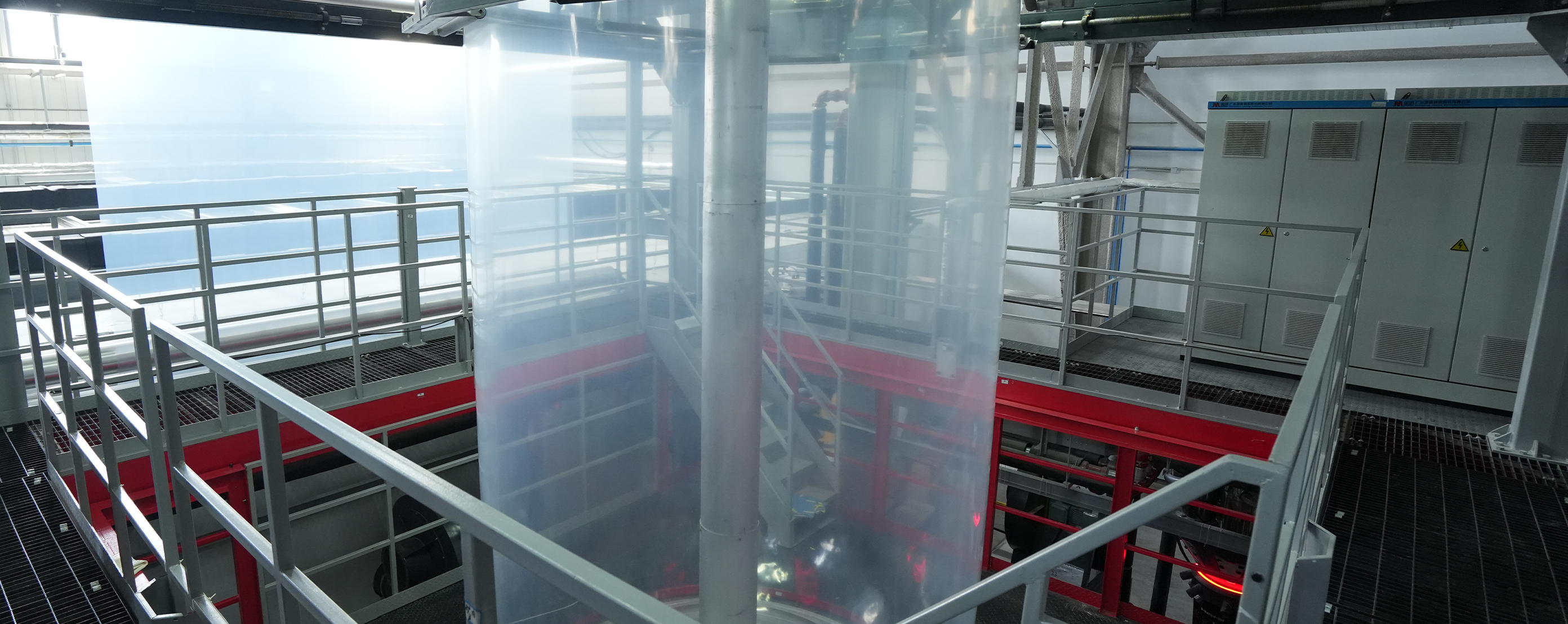
2. Film Production: Creating the Core Flexitank Structure
The flexitank film is one of the most important components of the final product.
During production, manufacturers use specialized film processing technology to create multi-layer structures designed for different applications.
A multi-layer film structure can help provide:
Different applications require different material designs.
For example:
Application Type | Common Cargo | Key Requirements |
Food-Grade Flexitanks | Vegetable oil, palm oil, rapeseed oil, wine, juice concentrate, syrup | Food-contact compliance, low odor, material safety |
Industrial Flexitanks | Lubricants, base oils, latex, resins, non-hazardous chemicals | Chemical compatibility, strength, transport stability |
Professional flexitank manufacturers develop solutions based on cargo characteristics rather than offering a single standard product for every application.
3. Cutting, Heat sealing, and Assembly
After film production, the materials are processed into complete flexitank systems.
Key manufacturing processes include:
Precision Cutting
Film materials are cut according to product design requirements to ensure:
Heat sealing
Professional heat sealing processes are critical because seams are directly related to product reliability.
Manufacturers typically monitor:
Heat sealing strength
Seam consistency
Production accuracy
Valve Installation
The valve system plays an important role in filling and unloading operations.
Manufacturers consider:
Different liquids may require different unloading solutions, especially for high-viscosity products.
4. Flexitank Quality Control and Testing
A reliable flexitank manufacturer should operate a structured quality control system throughout the production process.
Quality management typically includes:
Raw Material Inspection
Manufacturers may evaluate:
Material specifications
Film thickness
Physical properties
Supplier traceability
Production Testing
Common tests include:
Finished Product Inspection
Before shipment, professional manufacturers normally conduct:
These procedures help ensure consistent product quality for international transportation.
Manufacturer vs Supplier: Why Factory Capability Matters
Many companies searching online use the terms “flexitank supplier” and “flexitank manufacturer” interchangeably.
However, there can be important differences.
A direct flexitank manufacturer usually has stronger control over:
Production Quality
The company manages:
Manufacturing processes
Material selection
Quality inspection
Customization Capability
Manufacturers can often provide:
Supply Stability
Direct production capability helps companies better manage:
For buyers evaluating China flexitank manufacturers or global suppliers, understanding the difference between a factory and a trading company can reduce supply chain risks.
How LAF Technology Manufactures Flexitank Solutions
Founded in 2007, LAF Technology is a China-based professional flexitank manufacturer providing bulk liquid transportation solutions worldwide.
LAF operates integrated manufacturing capabilities covering:
Material processing
Film production
Flexitank manufacturing
Quality inspection
Product testing
Technical support
This integrated manufacturing approach enables LAF to maintain control over production processes and provide consistent flexitank solutions for global customers.
LAF Flexitank Product Solutions
LAF provides different flexitank solutions based on cargo type and transportation requirements.
Food-Grade Flexitanks
Designed for:
Edible oils
Palm oil
Vegetable oils
Wine
Juice concentrate
Syrup
Food ingredients
Industrial Flexitanks
Applications include:
Specialized Flexitank Solutions
Including:
Reefer Flexitanks — For temperature-sensitive liquid transportation
Truck Flexitank Systems — For different vehicle configurations
Rail Flexitanks (RailFlex™) — Designed for long-distance railway transportation where additional requirements such as vibration resistance and transportation stability are important
Certifications and Industry Standards
LAF has obtained multiple international certifications covering food safety, quality management, environmental management, and specialized transportation applications. Key certifications include:
LAF Flexitanks have been tested with COA Impact Test, CRCC Rail Impact Test, and AAR Rail Impact Test, having been approved strong enough to carry liquid cargo across the globe.
Sustainable Manufacturing and ESG Development
Sustainability has become an increasingly important consideration for global supply chains.
Modern flexitank factories are focusing on:
Material efficiency
Production optimization
Recycling solutions
Energy management
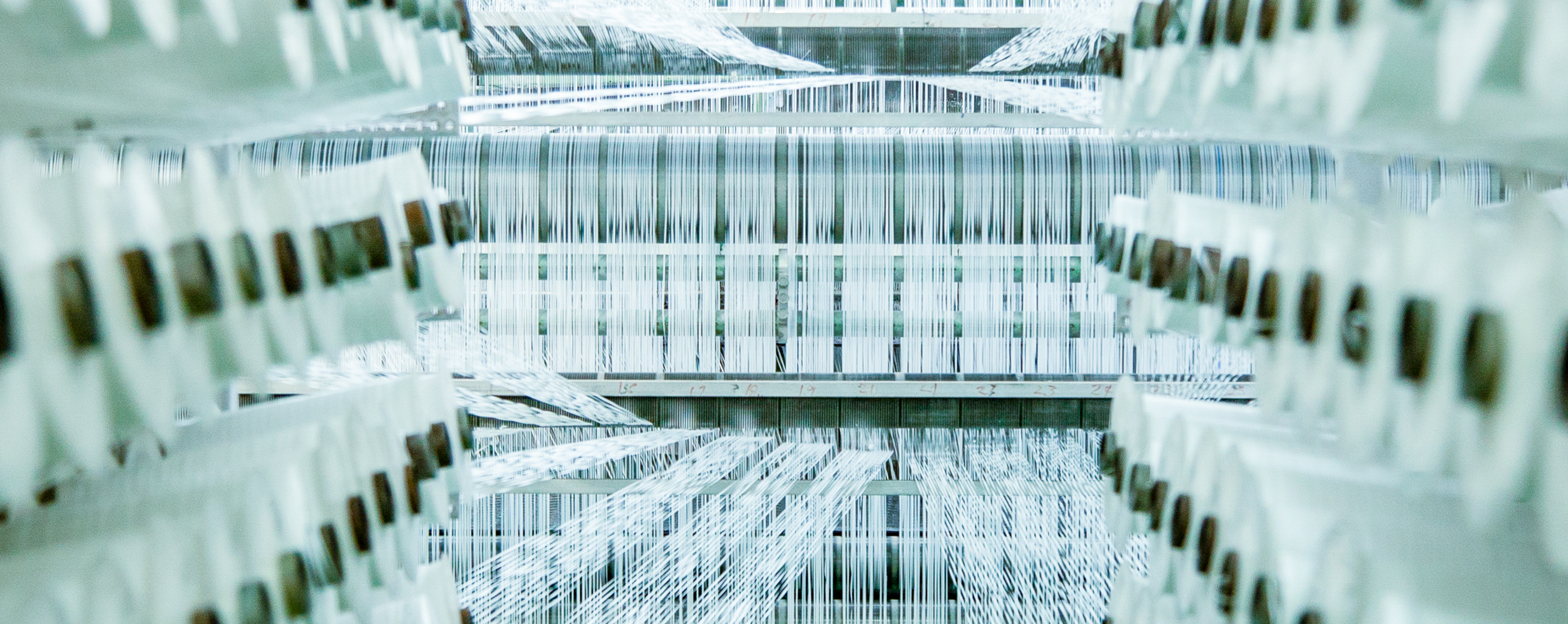
LAF Technology has developed an ESG-oriented flexitank industrial park in Qingdao, China, integrating:
Smart manufacturing systems
Digital production management
Renewable energy solutions
The facility includes a solar photovoltaic system supporting more sustainable manufacturing practices.
How to Choose a Reliable Flexitank Factory
Before selecting a flexitank manufacturer, buyers should evaluate:
1. Manufacturing Capability
Does the supplier operate its own production facilities?
Consider:
2. Application Experience
Does the supplier understand your cargo requirements?
Different liquids require different solutions.
Examples:
3. Quality Control
Does the supplier have:
Testing procedures
Traceability systems
Inspection standards
4. Technical Support
Does the company provide:
Installation guidance
Technical documents
Customer support
5. Long-Term Reliability
A professional supplier should demonstrate:
Frequently Asked Questions
How are flexitanks manufactured?
Flexitanks are manufactured through several stages, including material selection, film production, cutting, heat sealing, valve installation, quality inspection, and final testing.
What materials are used for flexitanks?
Most modern flexitanks use polyethylene-based film materials designed for strength, flexibility, and liquid compatibility. Leading manufacturers use 100% virgin resin polyethylene and ensure all materials are sterilized before production.
Are food-grade flexitanks different from industrial flexitanks?
Yes. Food-grade flexitanks require materials and production controls suitable for food-contact applications, while industrial flexitanks focus more on chemical compatibility and application requirements.
Why choose a flexitank manufacturer instead of a trading company?
A direct manufacturer usually provides better control over production quality, customization capability, technical support, and supply reliability.
How do I choose the right flexitank supplier?
Buyers should evaluate:
Manufacturing capability
Certifications
Product range
Quality control
Technical support
Industry experience
Is a flexitank safe?
Yes. A professionally manufactured flexitank from a reliable flexitank manufacturer is designed with multiple safety considerations including multi-layer film structures, reinforced protection, and tested valve technology. LAF Flexitanks undergo rigorous testing including COA Impact Test, CRCC Rail Impact Test, and AAR Rail Impact Test.
What is the maximum loading capacity of a 20ft flexitank?
A standard 20ft flexitank typically holds 14,000–26,000 liters.
Is a flexitank recyclable?
Yes. Flexitanks are manufactured from recyclable polyethylene-based materials and are designed for single-use, eliminating cleaning and return logistics costs.
Can a flexitank transport hot or cold liquids?
Standard flexitanks operate in moderate temperature ranges. For extreme conditions, specialized solutions are available. LAF's RailFlex Arctic is designed for cold-climate rail corridors, while high-temperature flexitanks support filling temperatures up to approximately 120°C for bitumen and liquid paraffin.
Is flexitank installation difficult?
Installation typically takes 30–45 minutes. Professional manufacturers provide installation guidance, training, and on-site support services.
Can flexitank manufacturers provide OEM services?
Yes. Many professional flexitank suppliers provide customization options including specifications, labeling, and packaging requirements.
Conclusion: Manufacturing Capability Defines Flexitank Reliability
Selecting a flexitank supplier is not only about comparing prices.
A professional flexitank manufacturer should provide:
Reliable manufacturing processes
Consistent quality control
Application-specific solutions
International compliance
Technical support
As global demand for efficient bulk liquid transportation continues to increase, manufacturers with strong production capability and engineering expertise will remain essential partners for international supply chains.
LAF Technology continues to provide integrated flexitank manufacturing solutions for companies seeking reliable bulk liquid transportation products worldwide.
About LAF Technology
Founded in 2007, LAF Technology is a professional China-based flexitank manufacturer specializing in:
With integrated manufacturing capabilities and global service support, LAF helps companies transport bulk liquids more efficiently, safely, and sustainably.
Continue Reading
This article is part of a series on flexitank solutions and bulk liquid transportation.
Return to the overview:
➡ Article 1: Flexitank Buyer's Guide 2026: How to Evaluate Manufacturers and Choose the Right Supplier
Continue exploring related topics:
➡ Article 2: Why Are More Companies Switching to Flexitanks? A Complete Guide to Bulk Liquid Transportation
➡ Article 3: Food Grade Flexitank Guide: Certifications, Materials & Buyer Checklist
➡ Article 4: What Liquids Can Be Transported in a Flexitank?
➡ Article 6: Flexitank Safety Guide
For more information:
Website: www.laftechnology.com
Email: sales@flexitank.net.cn
LinkedIn: LAF Flexitank — Bulk Fluid Packaging Solution